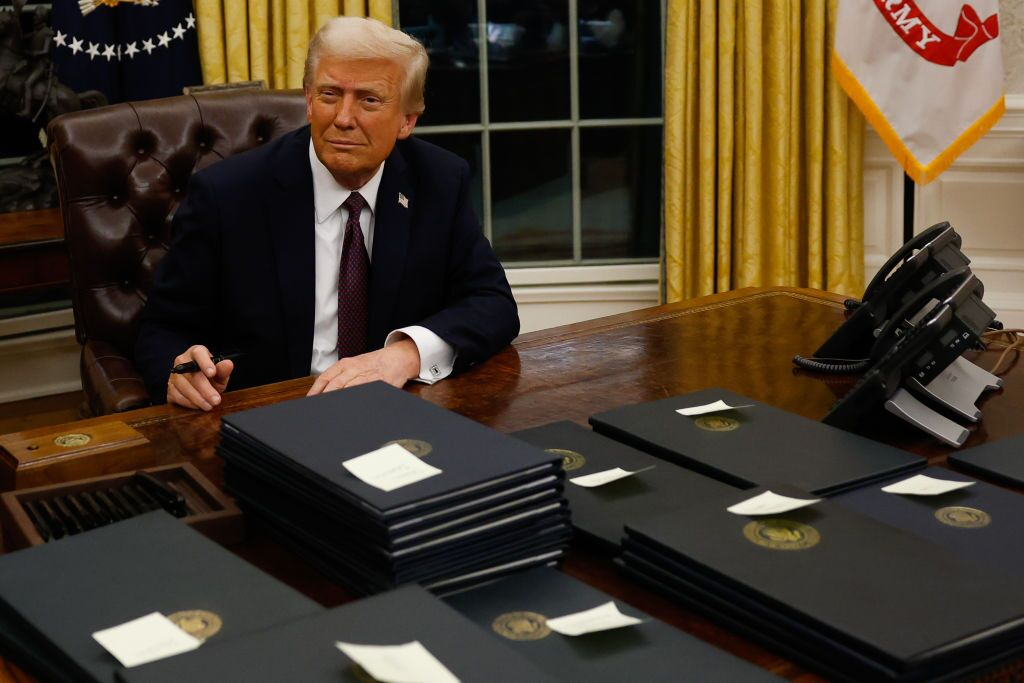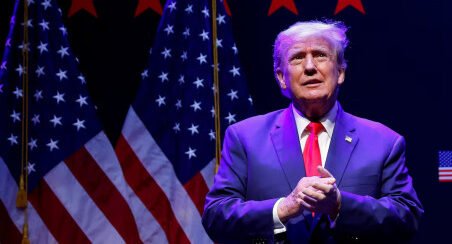



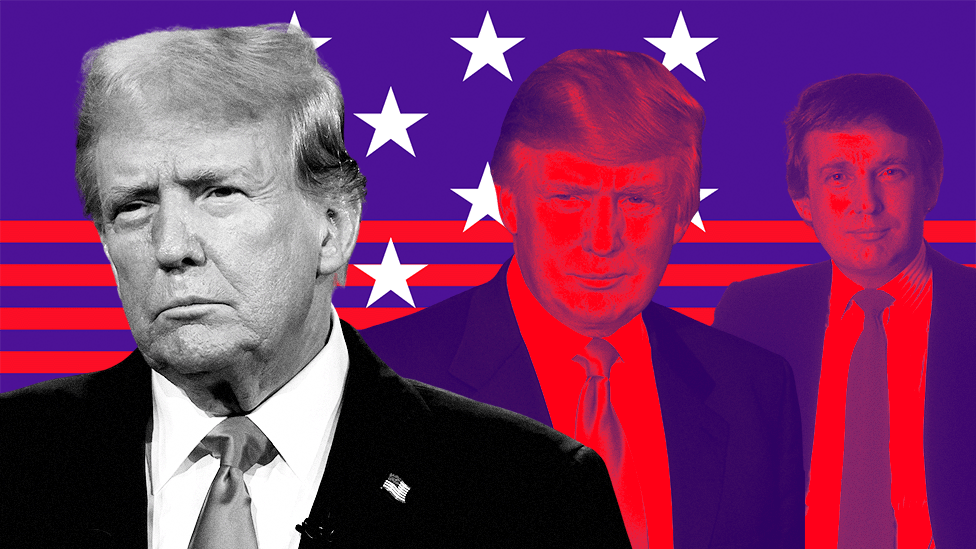
Donald John Trump, born on June 14, 1946, in Queens, New York, is a name that has become synonymous with bold, controversial leadership. A businessman turned television personality, and eventually the 45th president of the United States, Trump’s influence on American politics is undeniable. His political career, marked by polarizing rhetoric and unprecedented actions, continues to shape the American political landscape.
Early Life and Business Career

Trump was born into a wealthy family, with his father, Fred Trump, being a prominent real estate developer in New York. Donald Trump followed in his father’s footsteps, attending the Wharton School of the University of Pennsylvania and eventually taking the reins of the family business. Over the decades, he expanded the Trump Organization’s reach, investing in high-profile real estate projects like Trump Tower in New York City, luxury hotels, and casinos.
His business ventures were often controversial, with several bankruptcies and lawsuits along the way. Despite these setbacks, Trump managed to maintain a high public profile, particularly through his role as the host of the reality TV show The Apprentice, which further cemented his image as a self-made businessman and master of negotiation.
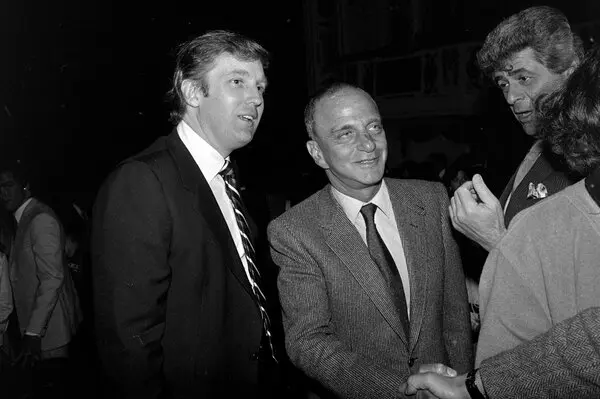
Entering Politics: The 2016 Presidential Election
In 2015, Trump made a dramatic entrance into the political arena by announcing his candidacy for the presidency. Running as a Republican, he quickly captured national attention with his blunt rhetoric, promises to “Make America Great Again,” and unorthodox approach to politics. His campaign resonated with many voters, particularly those feeling disillusioned with Washington and its traditional politicians.
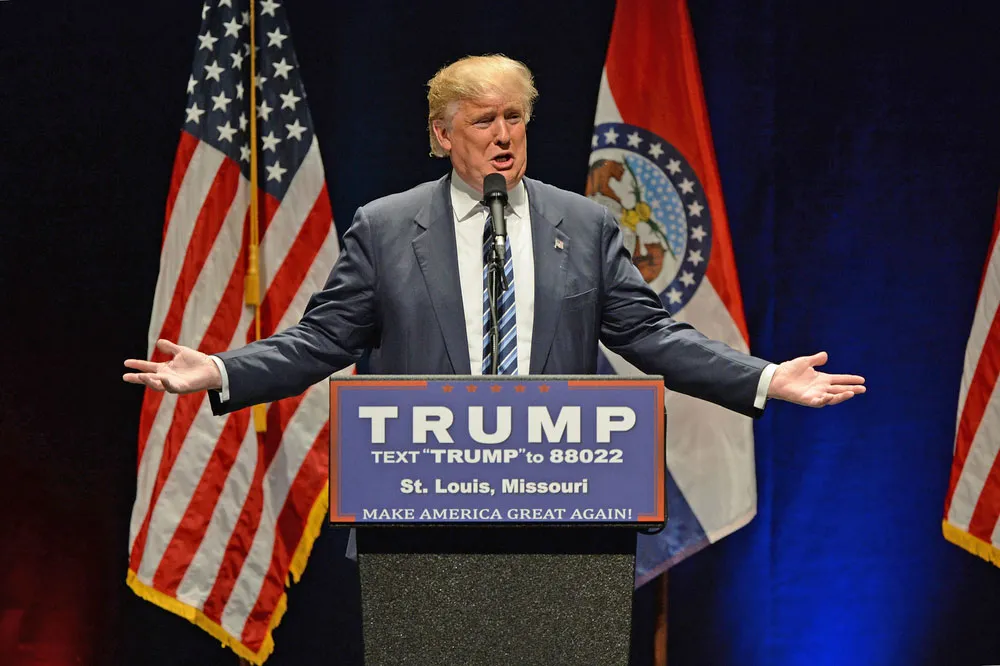
Trump’s rise was fueled by his rejection of political correctness and his willingness to tackle contentious issues head-on, including immigration, trade, and America’s place in the global community. His populist message attracted a substantial following, leading to his eventual victory in the 2016 election against former Secretary of State Hillary Clinton.
The Presidency
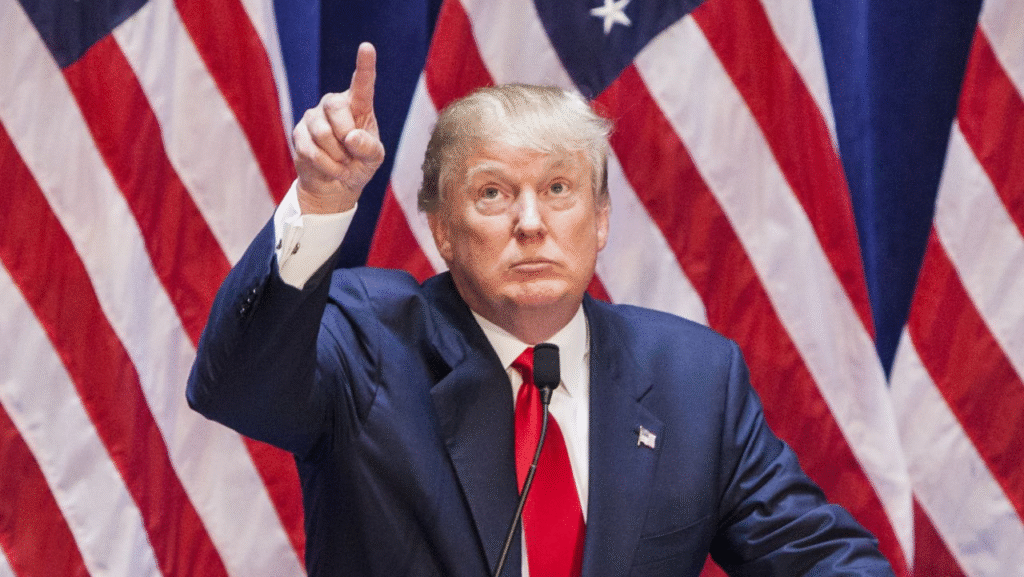
Trump’s time in office was characterized by sharp divides within the country. His administration pursued aggressive tax cuts, deregulation, and a “America First” foreign policy. His approach to foreign relations was unconventional, engaging with North Korean leader Kim Jong-un, withdrawing the United States from the Paris Agreement on climate change, and renegotiating trade deals such as NAFTA, which was replaced by the USMCA.
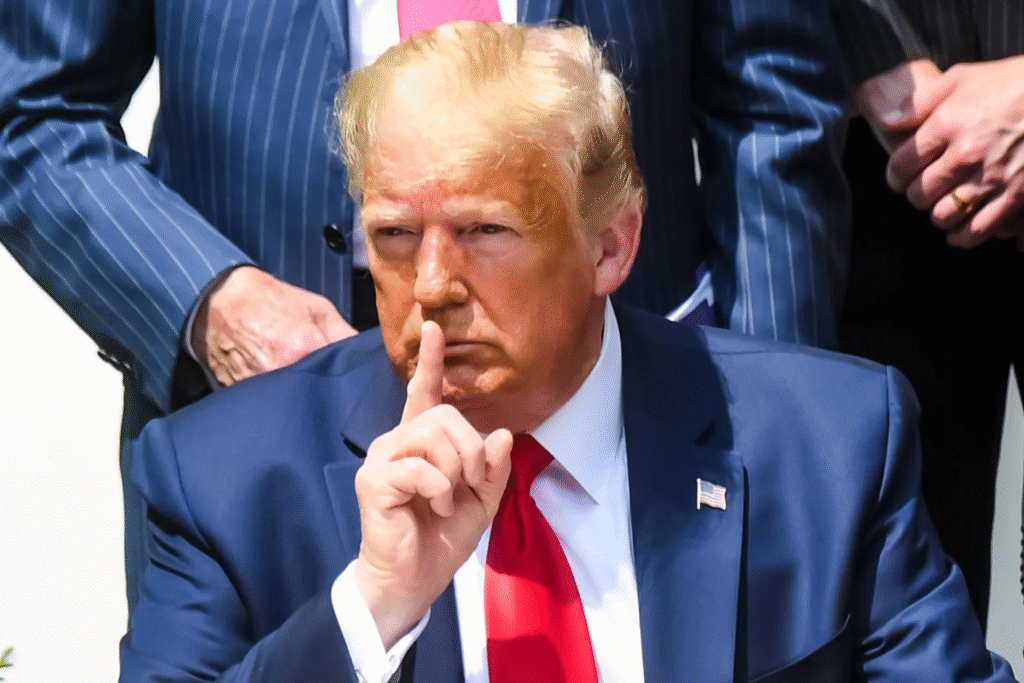
Perhaps one of the most defining features of his presidency was his rhetoric, often viewed as divisive and inflammatory. Trump’s use of social media, particularly Twitter, was unprecedented in modern politics, using the platform to communicate directly with his supporters and critics alike. His controversial statements on issues such as race, immigration, and the media led to widespread criticism, but also solidified his base of supporters.
Trump’s presidency was also marked by significant challenges, including the impeachment trials. In 2019, he became the third U.S. president to be impeached by the House of Representatives, charged with abuse of power and obstruction of Congress related to his dealings with Ukraine. He was acquitted by the Senate in early 2020. Just a year later, as the country grappled with the COVID-19 pandemic, Trump faced another round of criticism for his handling of the crisis.
The 2020 Election and Aftermath
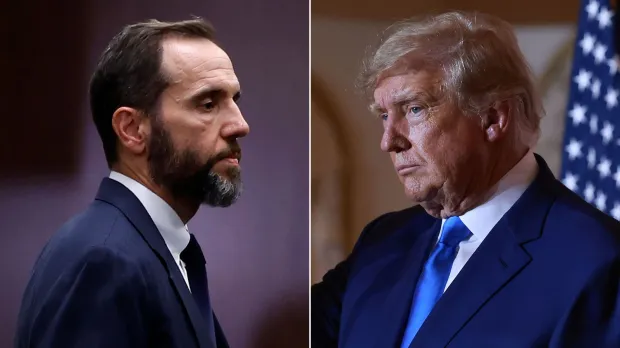
The 2020 presidential election proved to be a turning point in Trump’s career. He lost to Democrat Joe Biden in a contentious and highly polarized race, which Trump claimed was “stolen,” despite no evidence of widespread voter fraud. His refusal to concede and the subsequent storming of the U.S. Capitol by his supporters on January 6, 2021, led to his second impeachment, making him the first president in U.S. history to be impeached twice.
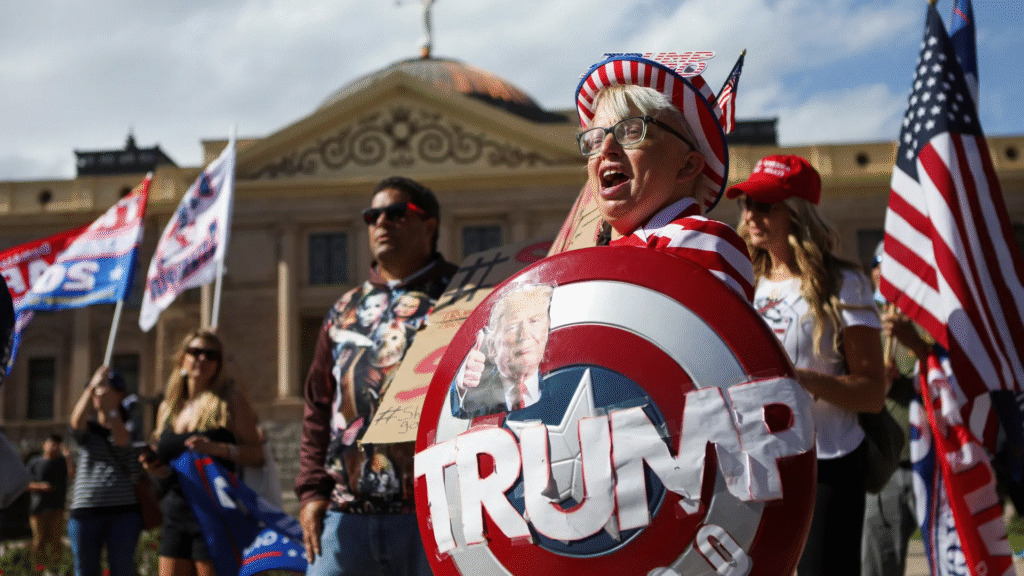
Though Trump left office in January 2021, his influence on the Republican Party and American politics remains strong. Many of his policies, particularly on immigration and trade, continue to influence the party’s platform. Trump himself has hinted at a potential run for president again in 2024, further cementing his lasting impact on the American political system.
Legacy and Controversy
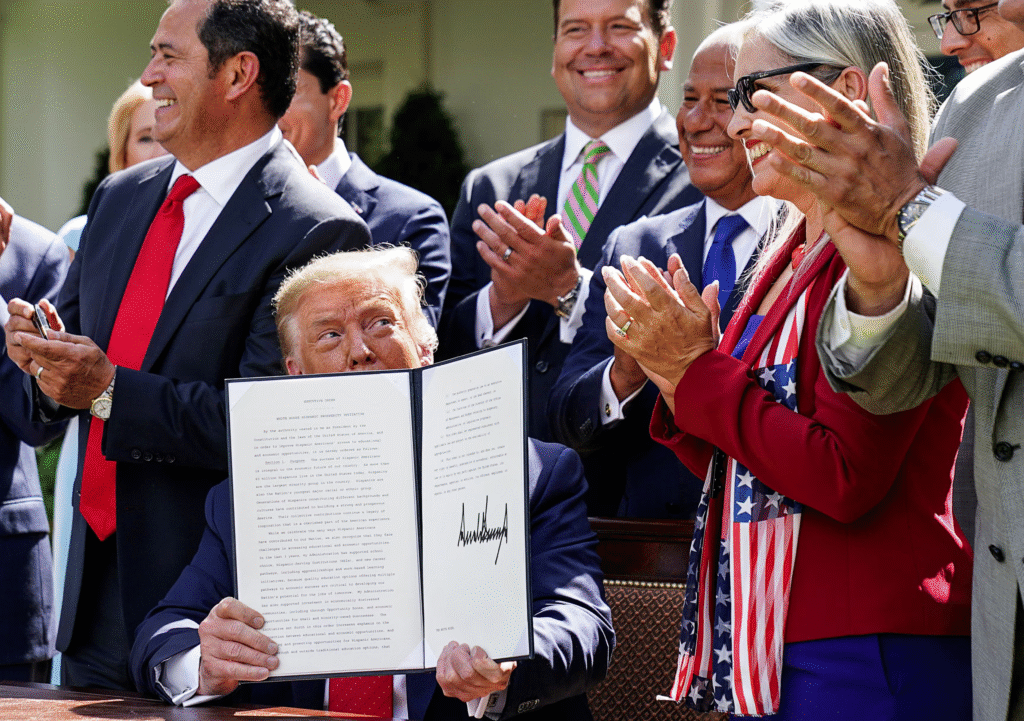
Donald Trump’s legacy is a matter of intense debate. Supporters argue that he was a champion of economic growth, a defender of traditional values, and a leader who sought to put America first in an increasingly globalized world. Critics contend that his presidency represented a period of division, misinformation, and disregard for democratic norms.
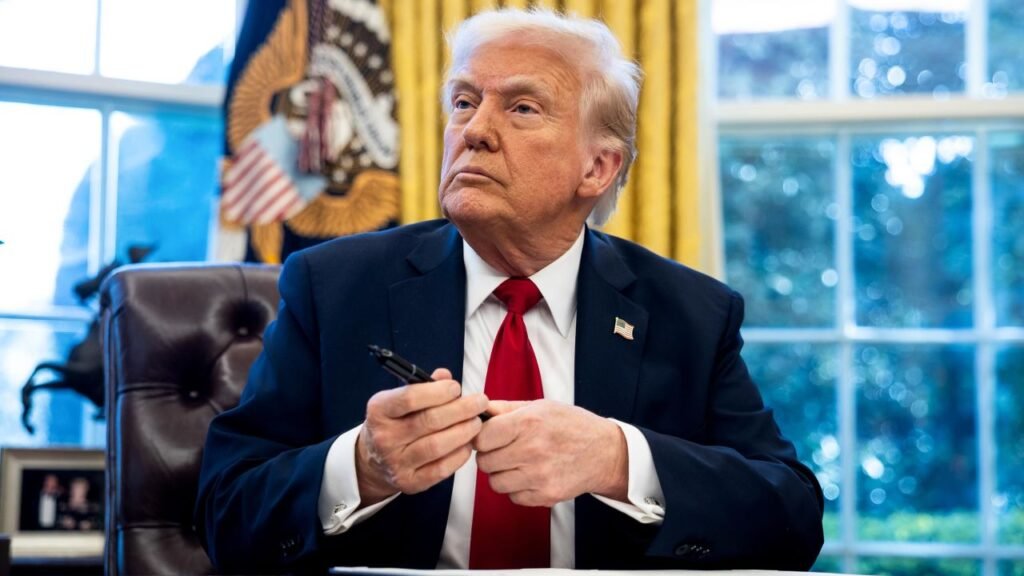
Regardless of one’s stance, it is clear that Donald Trump has left an indelible mark on the United States. His time in office, characterized by both accomplishments and controversies, will continue to be a defining chapter in the nation’s history.