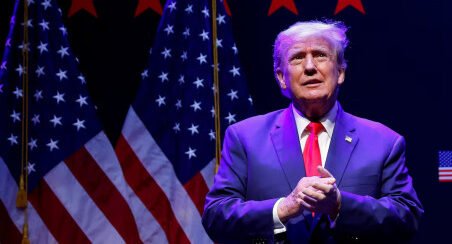




Donald Trump, the 45th President of the United States, had a unique and often controversial approach to foreign relations. His presidency, which lasted from January 20, 2017, to January 20, 2021, saw significant shifts in U.S. foreign policy, as Trump sought to redefine America’s role in the global arena. His “America First” doctrine guided much of his interactions with other nations, which included renegotiating trade deals, confronting China over economic practices, engaging in high-stakes diplomacy with North Korea, and altering long-standing alliances. This article examines Trump’s relationships with several key countries during his time in office, analyzing his strategies and the impact of his policies.
United States and China: A Rivalry for Global Dominance
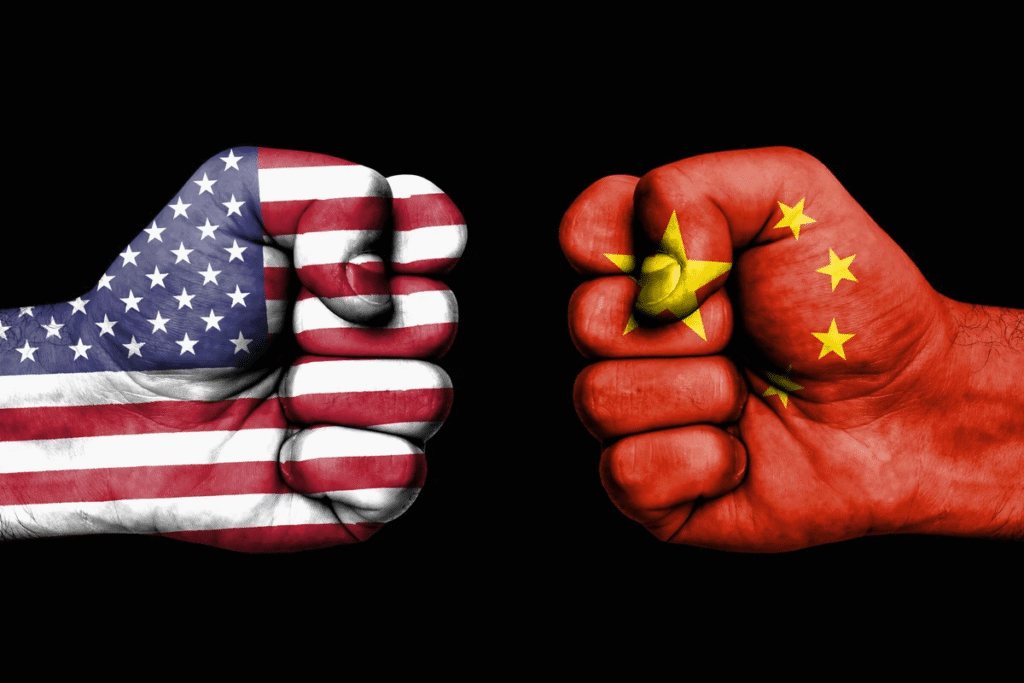
One of the most defining features of Trump’s foreign policy was his aggressive stance towards China. Trump viewed China not only as a trade competitor but also as a strategic rival in the global arena. His administration initiated a trade war with China in 2018, imposing tariffs on hundreds of billions of dollars’ worth of Chinese goods. This move was intended to address issues such as intellectual property theft, unfair trade practices, and the trade deficit that the United States had with China.
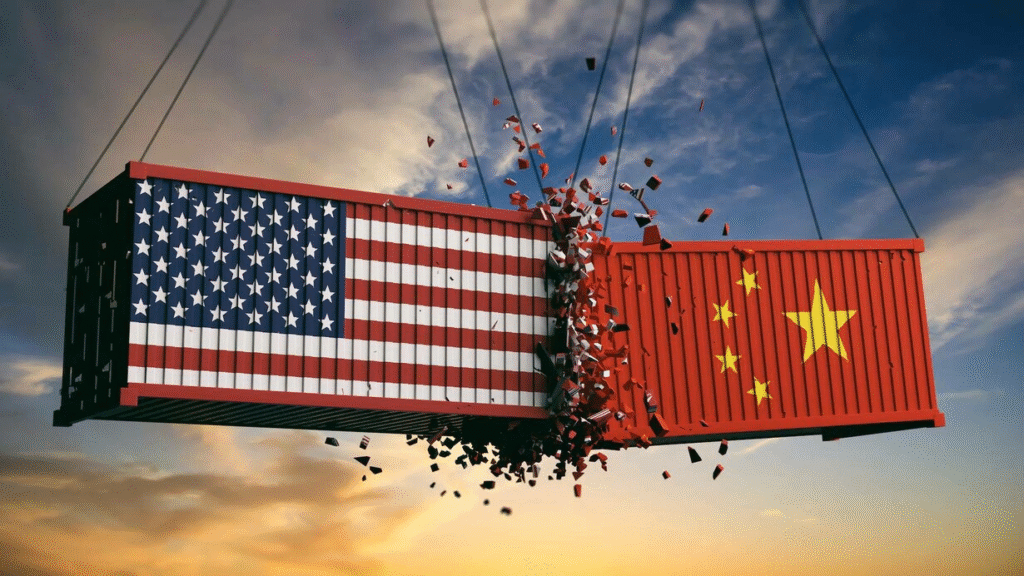
While the tariffs were a central element of Trump’s strategy, his administration also took a more assertive approach towards China in other areas, including military presence in the Indo-Pacific region, as well as diplomatic and technological issues. Trump’s confrontational rhetoric was aimed at challenging China’s rising influence in global markets and its increasing military presence in the South China Sea.
In 2020, Trump signed the “Phase One” trade deal with China, which promised China to purchase more American goods and addressed certain intellectual property concerns. However, many of the deeper issues regarding trade practices and China’s technological dominance remained unresolved, and tensions between the two countries continued throughout Trump’s presidency.
United States and Russia: A Complex Relationship
Trump’s relationship with Russia was one of the most controversial aspects of his presidency. Throughout his time in office, Trump was criticized for his perceived leniency toward Russian President Vladimir Putin and the Kremlin. Critics suggested that Trump was too accommodating of Russia, especially regarding its interference in the 2016 U.S. presidential election, as well as its activities in Ukraine and Syria.
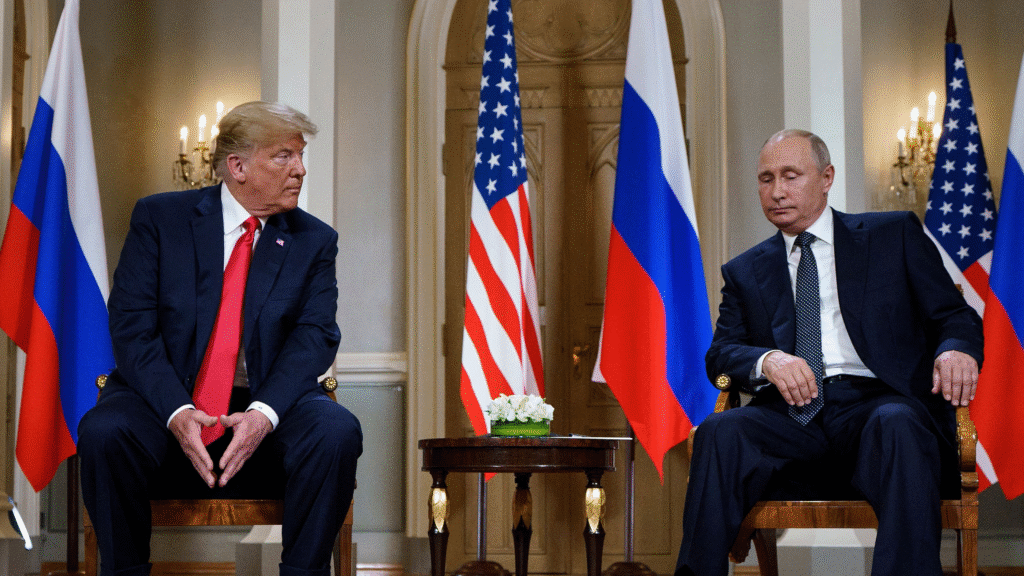
Despite the criticisms, Trump’s administration took several actions that were hostile toward Russia. These included the expulsion of Russian diplomats following the poisoning of a former Russian spy in the UK, imposing sanctions on Russian officials and businesses, and supporting NATO’s eastern flank against Russian aggression in Eastern Europe. Trump also expressed his desire to improve relations with Russia, often citing the potential benefits of a partnership between the two countries, particularly in combating terrorism and nuclear proliferation.
However, Trump’s frequent praise of Putin and his reluctance to fully condemn Russia’s actions, particularly in the context of election interference, created a significant rift within his administration and with U.S. allies. The relationship between Trump and Russia thus remained one of contradictions: a desire for cooperation tempered by political and military tension.
United States and North Korea: Diplomacy and the Nuclear Threat
One of the most notable and high-profile aspects of Trump’s foreign policy was his approach to North Korea. Throughout his presidency, Trump engaged in unprecedented diplomacy with North Korean leader Kim Jong-un, holding two summits: one in Singapore in 2018 and another in Hanoi in 2019. The meetings were groundbreaking, as no sitting U.S. president had ever met with a North Korean leader before.
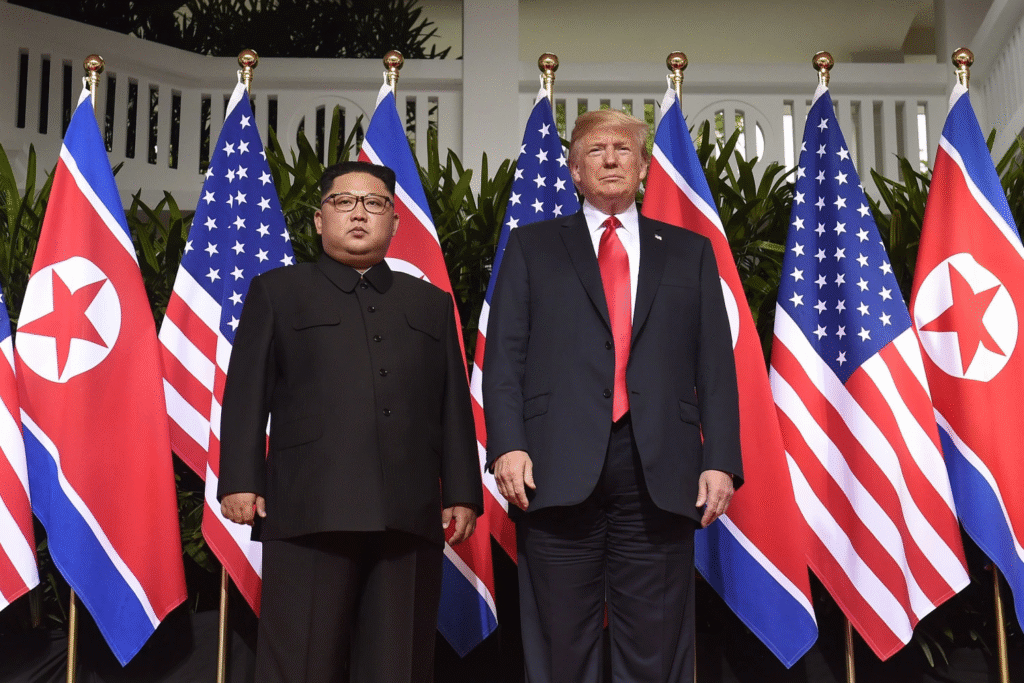
Trump’s personal diplomacy with Kim was seen as an effort to de-escalate the threat of nuclear war and to find a peaceful resolution to the decades-long conflict on the Korean Peninsula. His rhetoric, often unorthodox, included calling Kim “little rocket man” while simultaneously expressing admiration for him and his leadership. The contrast between Trump’s tough talk and attempts at diplomacy became a hallmark of his approach to North Korea.
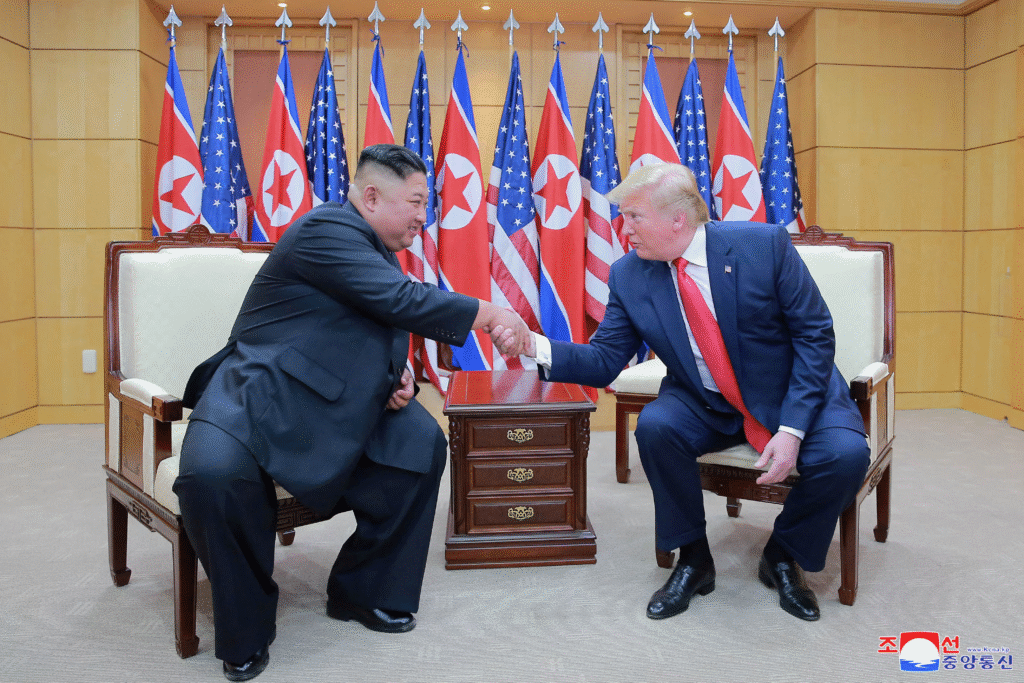
Despite the high-profile meetings, Trump’s efforts ultimately did not yield significant results. North Korea did not take substantial steps toward denuclearization, and by the end of his presidency, the situation remained unresolved, with North Korea continuing to advance its nuclear weapons program.
United States and the European Union: Tensions and Trade Disputes
Trump’s relationship with the European Union (EU) was marked by tensions, particularly over trade, NATO, and climate change. One of his first actions as president was to withdraw the U.S. from the Paris Climate Agreement, a move that drew widespread criticism from European leaders, who saw it as a blow to global efforts to combat climate change. Trump’s insistence on “America First” led him to prioritize U.S. economic interests, sometimes at the expense of international cooperation.

Trade was another point of contention. Trump consistently criticized the EU for what he perceived as unfair trade practices and a trade imbalance. He imposed tariffs on European steel and aluminum, arguing that the EU was benefiting at the expense of American workers. Additionally, Trump repeatedly called for NATO allies to increase their defense spending, accusing them of freeloading on the U.S. defense budget.
However, despite these tensions, Trump maintained strong ties with individual European countries such as the United Kingdom, Poland, and Hungary, whose leadership often aligned with Trump’s populist approach. His relationship with Germany, however, was fraught, with Trump criticizing Chancellor Angela Merkel for her open-door policy toward refugees and her handling of EU affairs.

United States and Mexico: Immigration and Border Security
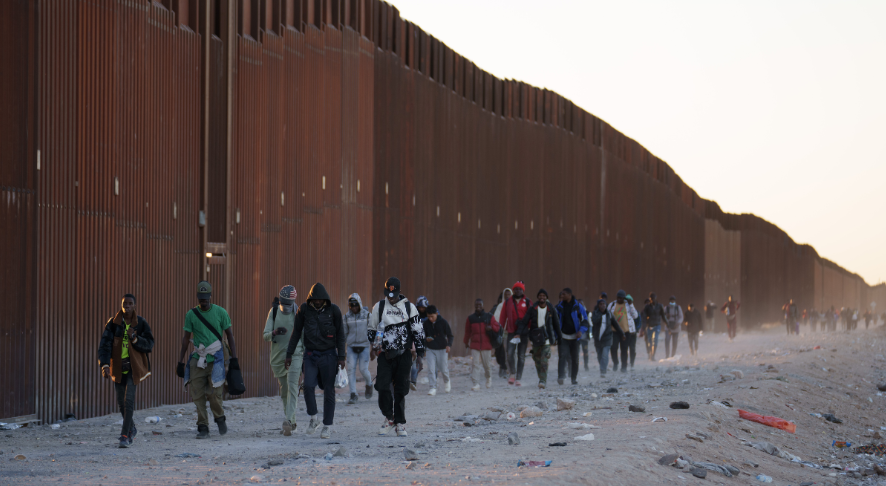
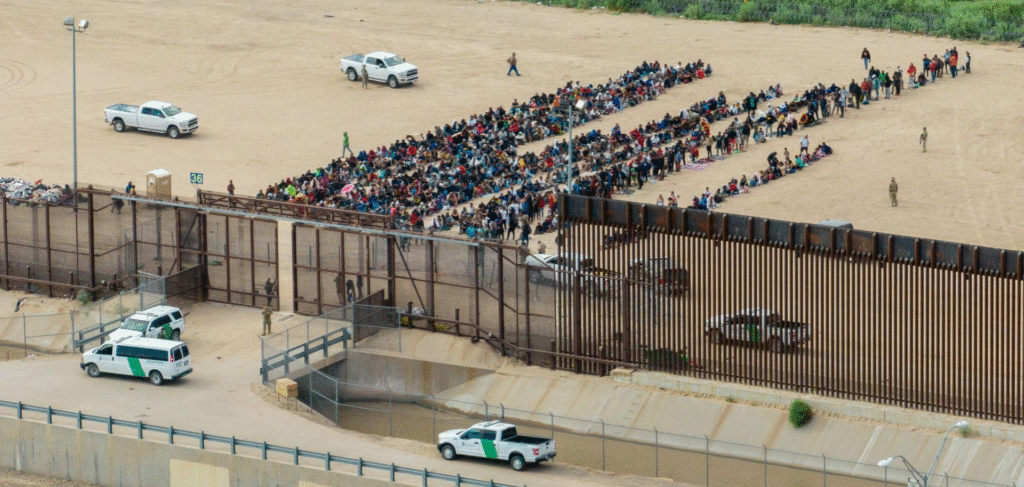
One of Trump’s most prominent and controversial policies regarding foreign relations was his approach to Mexico, particularly regarding immigration. Trump campaigned heavily on building a wall along the U.S.-Mexico border to curb illegal immigration, drug trafficking, and human trafficking. His administration worked hard to secure funding for the wall, though it faced opposition from Congress and various interest groups.
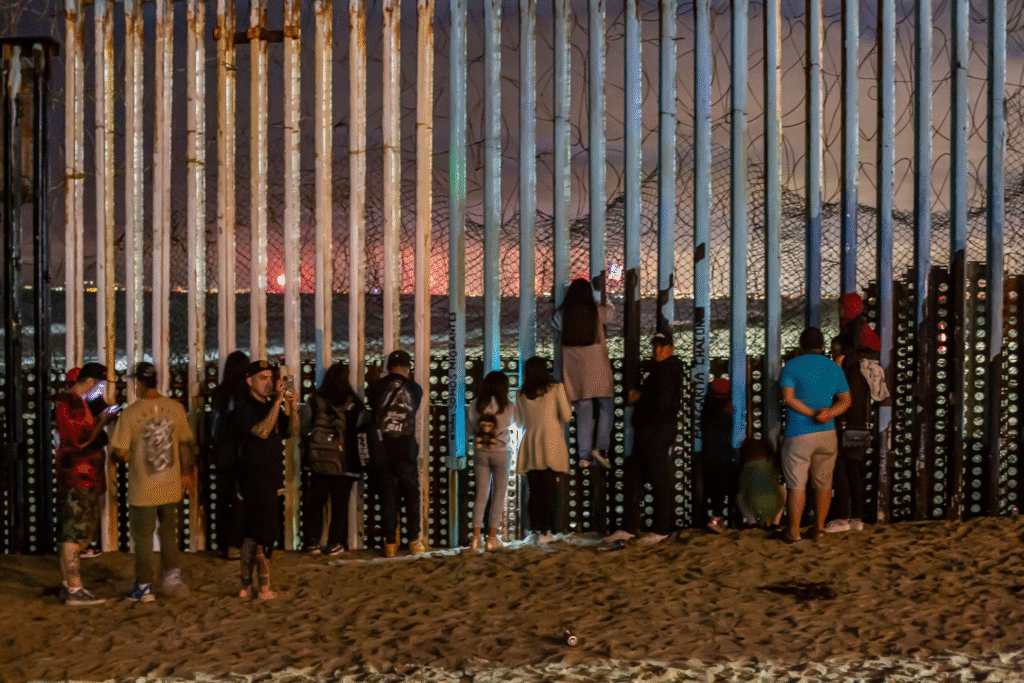
In addition to the border wall, Trump’s administration took a hardline stance on immigration, enacting policies such as “zero tolerance,” which led to the separation of families at the border. These policies were deeply divisive and sparked outrage both in the U.S. and abroad. Despite this, Trump maintained a tough stance on Mexico, pushing for stricter border enforcement and the expansion of U.S. immigration laws.
Mexico’s President, Andrés Manuel López Obrador, was often at odds with Trump’s rhetoric and policies. However, in 2018, the U.S. and Mexico reached an agreement under the U.S.-Mexico-Canada Agreement (USMCA), which replaced the North American Free Trade Agreement (NAFTA). The deal was seen as a major win for Trump’s administration, as it promised better terms for American workers and increased access to Mexican markets.
United States and the Middle East: Shifting Alliances and Controversies
Trump’s foreign policy in the Middle East was characterized by both unpredictability and bold moves. His administration was marked by several key decisions that reshaped America’s relationships with Middle Eastern countries. One of the most significant was Trump’s decision to move the U.S. Embassy from Tel Aviv to Jerusalem, formally recognizing the city as Israel’s capital. This move was widely praised by Israeli officials but condemned by many in the Arab world, as Jerusalem holds significant religious and political importance to Palestinians.
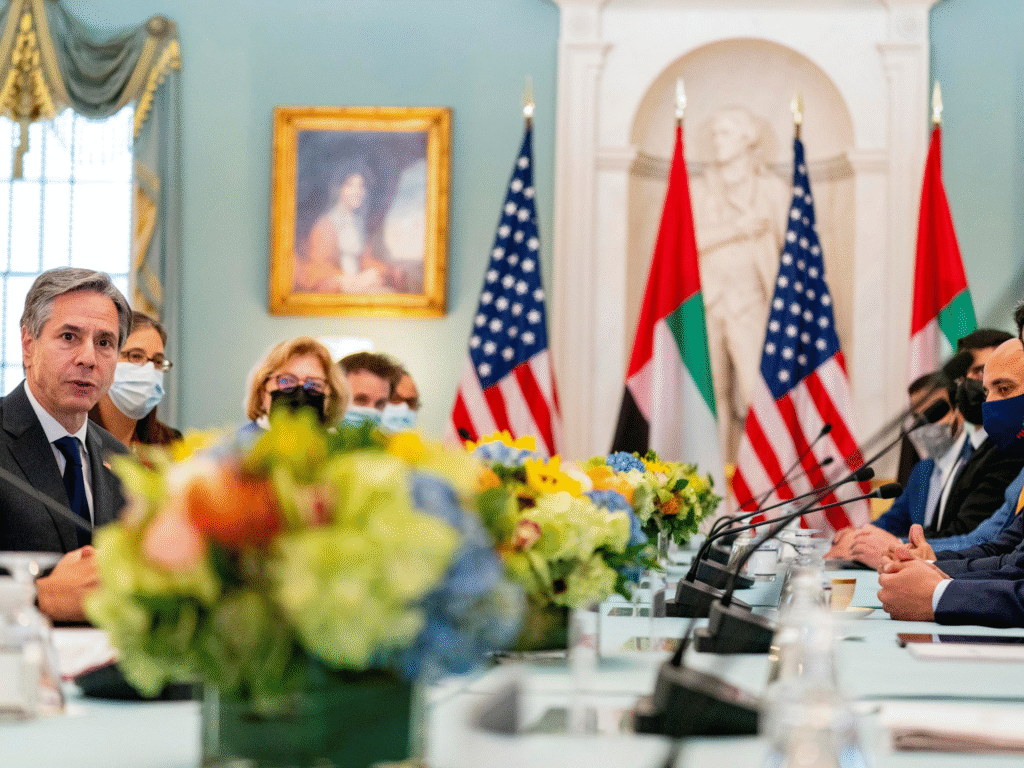
Trump also pursued a policy of “maximum pressure” on Iran, withdrawing the U.S. from the 2015 nuclear deal and re-imposing harsh sanctions on Tehran. His administration’s stance toward Iran was one of isolation, with Trump seeking to prevent Iran from developing nuclear weapons through economic and diplomatic means. The policy was controversial, with many European allies and even some members of his own administration criticizing the decision.
On the other hand, Trump also sought to strengthen ties with Gulf nations such as Saudi Arabia and the United Arab Emirates. His administration brokered the Abraham Accords, normalizing relations between Israel and several Arab countries, including the UAE, Bahrain, Sudan, and Morocco. These agreements marked a significant shift in Middle Eastern geopolitics, though they also drew criticism for sidelining Palestinian interests.
Conclusion: A Controversial but Impactful Legacy
Donald Trump’s foreign relations were often marked by bold rhetoric, aggressive diplomacy, and an “America First” approach that sought to prioritize U.S. interests above global cooperation. His tenure reshaped U.S. foreign policy, with some successes in renegotiating trade deals and building alliances, but also significant challenges in handling international conflicts, climate change, and multilateral relationships.
While his foreign policy strategies were often divisive, they undeniably left an imprint on the global stage. Whether praised for his tough stance on trade and foreign adversaries or criticized for his approach to alliances and global cooperation, Trump’s impact on world affairs continues to be a subject of debate and analysis.