


Donald Trump, the 45th President of the United States, was one of the most controversial figures in modern political history. His presidency, from January 2017 to January 2021, was marked by bold and unconventional policies, particularly in foreign relations. Among the most significant international relationships that evolved under his leadership was the one with North Korea. Under Kim Jong-un’s leadership, North Korea’s nuclear weapons program had long been a point of tension between the U.S. and the international community. However, the relationship between Trump and North Korea witnessed unprecedented shifts, from mutual threats of nuclear war to direct diplomacy and even historic summits.
This article examines the evolving relationship between Donald Trump and North Korea, focusing on key policies and actions taken by Trump, and how this relationship impacted U.S. foreign policy and global geopolitics.
1. The Beginning: Harsh Rhetoric and Nuclear Tensions
When Donald Trump assumed office in January 2017, the relationship between the United States and North Korea was at a breaking point. North Korea had continued to advance its nuclear weapons program and conducted multiple missile tests, which led to increasing concerns about the threat it posed to global security. Under Kim Jong-un, North Korea’s provocative actions, including the testing of nuclear weapons and long-range missiles, escalated tensions with the U.S. and its allies.
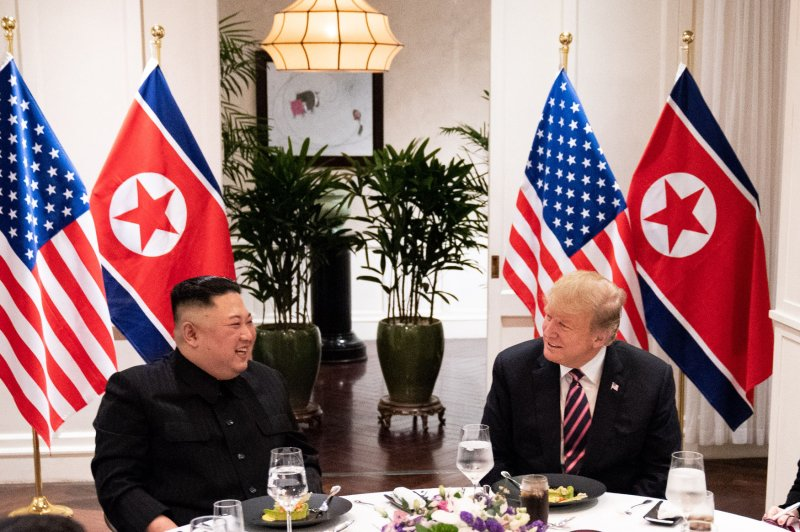
Trump, known for his unorthodox and aggressive style, responded with tough rhetoric. He famously warned North Korea that any further threats would be met with “fire and fury.” In 2017, he issued a stark warning: “North Korea best not make any more threats to the United States. They will be met with fire and fury like the world has never seen.” These words reflected the intensity of the standoff between the two nations and set the stage for the tumultuous relationship that would unfold.
In response to North Korea’s missile and nuclear tests, Trump’s administration imposed severe sanctions on the regime, targeting key sectors of the North Korean economy and its leadership. These sanctions were designed to isolate North Korea and push its government into negotiations, but at the same time, Trump continued to use the threat of military action to maintain pressure.
2. A Shift Toward Diplomacy: Unlikely Engagement
One of the most unexpected developments in U.S.-North Korea relations came in 2018 when Kim Jong-un made overtures for talks. North Korea’s sudden willingness to engage in dialogue with the U.S. marked a significant departure from previous decades of isolation and hostility.
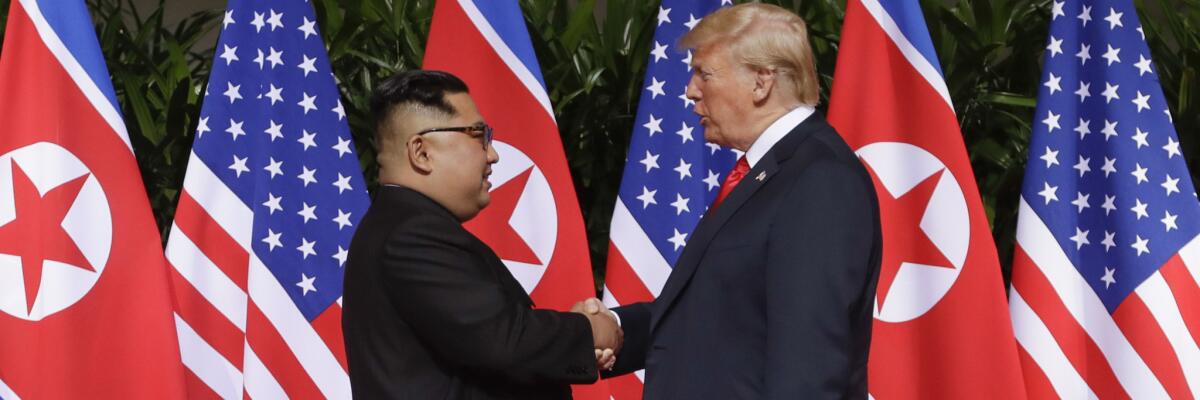
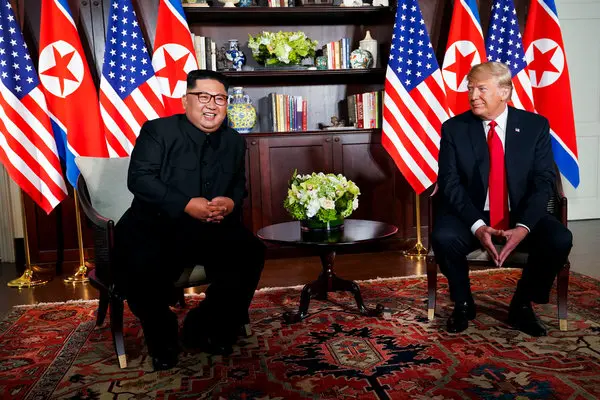
Trump, ever the unconventional diplomat, took the opportunity to engage directly with Kim Jong-un, setting aside traditional diplomatic protocols. The most notable moment came in June 2018, when Trump and Kim held their first-ever summit in Singapore. This summit was historic because it marked the first time a sitting U.S. president met with a North Korean leader.
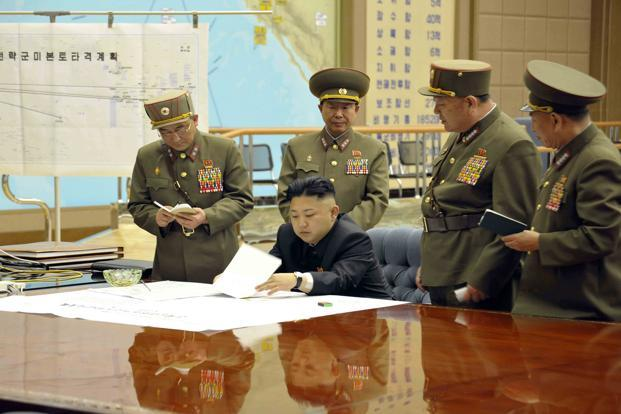
The summit resulted in a joint declaration in which both leaders committed to working toward the denuclearization of the Korean Peninsula. Trump also emphasized the importance of peace and stability in the region and promised to lift sanctions if North Korea took steps toward complete denuclearization. Despite the lack of concrete details in the agreement, the summit was hailed as a diplomatic breakthrough, with Trump and Kim exchanging warm pleasantries and building a personal rapport.
3. The Hanoi Summit: A Disappointment
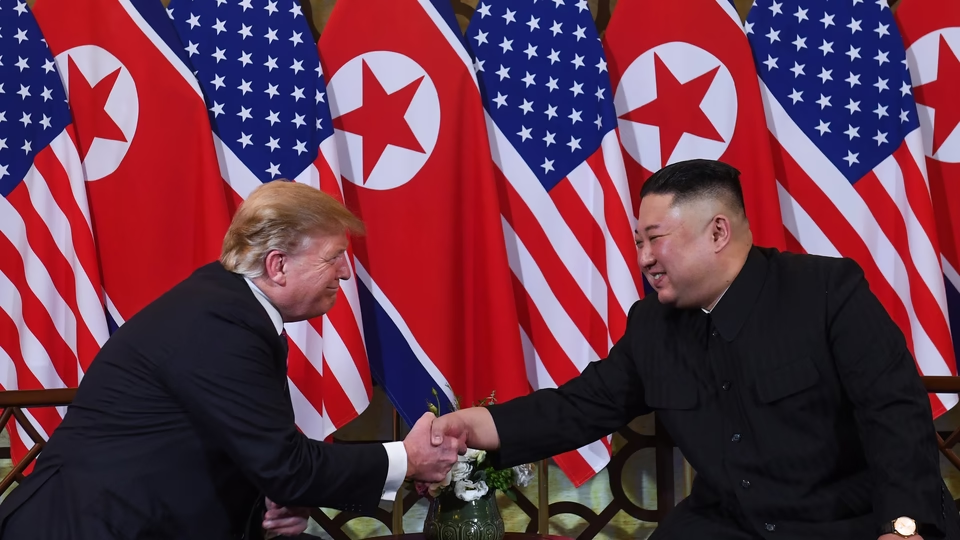
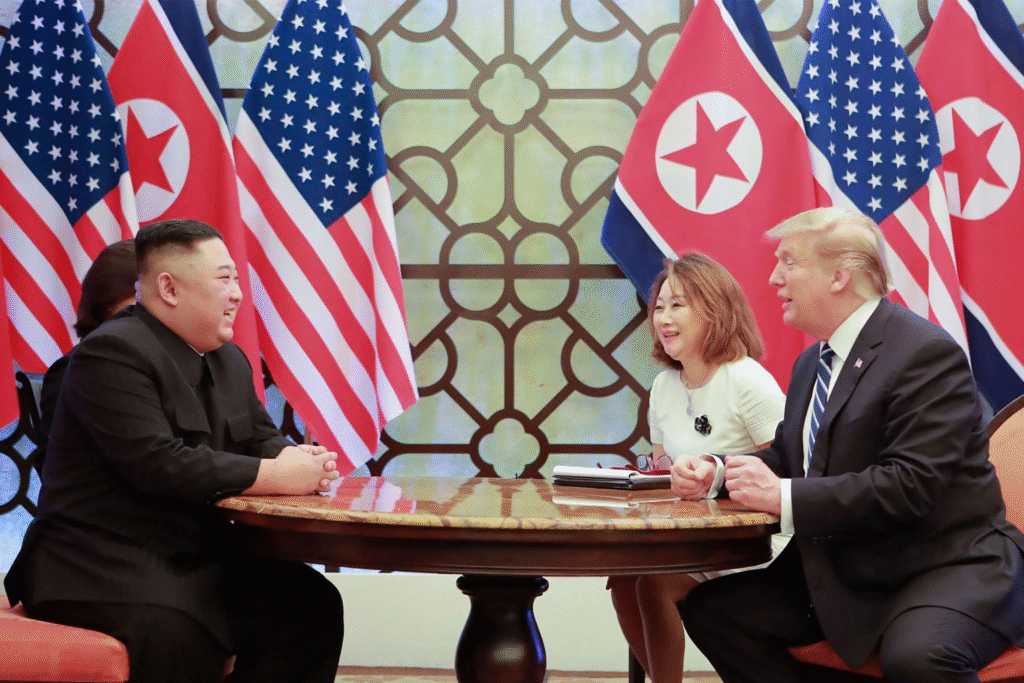
Despite the optimism that followed the Singapore summit, the second Trump-Kim summit, held in February 2019 in Hanoi, Vietnam, ended in disappointment. While both sides had hoped that the summit would lead to significant progress on denuclearization, the talks ultimately broke down over differences regarding the scope of sanctions relief and North Korea’s nuclear disarmament commitments.
North Korea wanted substantial sanctions relief before making any significant moves toward denuclearization, while the U.S. demanded more concrete steps toward dismantling North Korea’s nuclear weapons program. The two sides were unable to reach a compromise, and Trump ended the summit early, walking away without a formal agreement. This setback demonstrated the difficulties in negotiating with the North Korean regime, which had shown little willingness to fully dismantle its nuclear arsenal.
Despite the lack of a deal, Trump maintained that the relationship between the two leaders remained positive and that talks would continue. This sentiment reflected his desire to keep diplomatic channels open with North Korea, even as the talks appeared to stagnate.
4. Tensions Resurface: The Failure of Continued Negotiations
After the breakdown of the Hanoi summit, tensions between the U.S. and North Korea resurfaced. North Korea resumed testing short-range missiles, and Trump’s calls for further engagement seemed to fall on deaf ears. The administration continued to enforce sanctions, but progress on denuclearization remained elusive.
While Trump maintained that he still had a good personal relationship with Kim Jong-un, the lack of concrete progress on North Korea’s nuclear program cast doubt on the success of their diplomatic engagement. Additionally, the U.S. faced growing frustration from its allies in the region, particularly Japan and South Korea, who were concerned about the lack of meaningful progress and North Korea’s continued missile tests.
Trump’s approach to North Korea was often criticized for prioritizing personal diplomacy over concrete agreements, and his willingness to engage directly with Kim Jong-un raised questions about the long-term strategy for addressing North Korea’s nuclear threat. While some argued that engagement was better than confrontation, others felt that Trump had been too lenient in his dealings with the North Korean regime.
5. Impact on U.S. Foreign Policy and Global Diplomacy
Trump’s approach to North Korea had far-reaching implications for U.S. foreign policy and global diplomacy. On the one hand, his direct engagement with Kim Jong-un represented a departure from traditional U.S. foreign policy, which typically emphasized diplomatic isolation and multilateral sanctions. His willingness to meet with Kim Jong-un, a leader whom many viewed as a ruthless dictator, was seen by some as an opportunity to de-escalate tensions and avoid war, particularly given the growing concerns over North Korea’s nuclear capabilities.
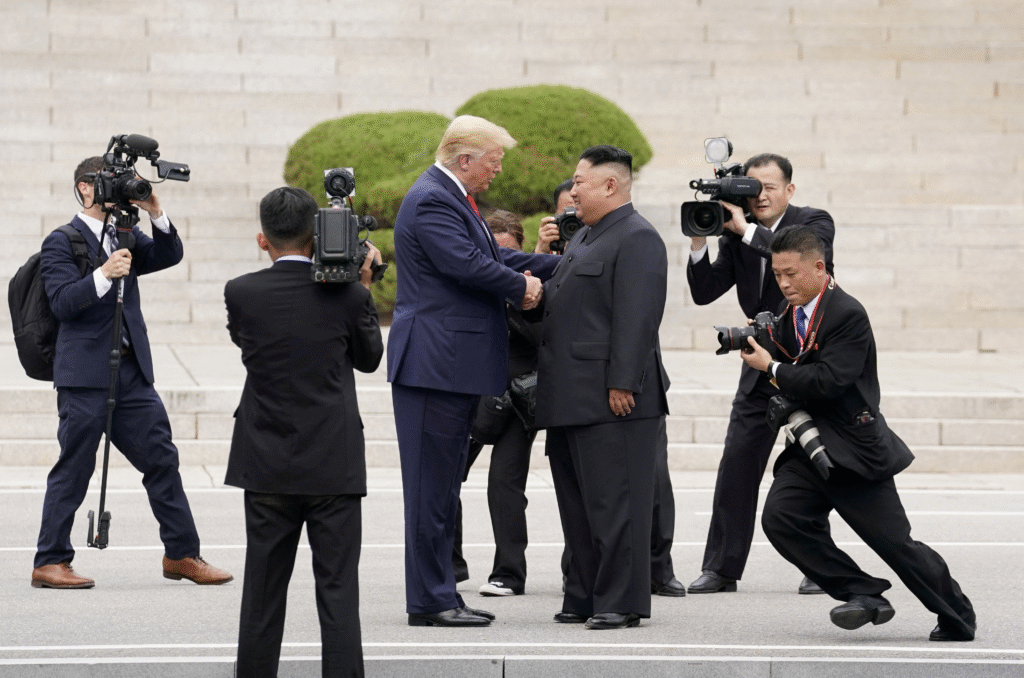
On the other hand, Trump’s handling of the situation raised concerns among U.S. allies, who feared that his personal rapport with Kim Jong-un might lead to compromises that undermined regional security. The U.S. was also criticized for failing to secure concrete commitments from North Korea on denuclearization, despite the high-profile summits and extensive diplomatic engagement.
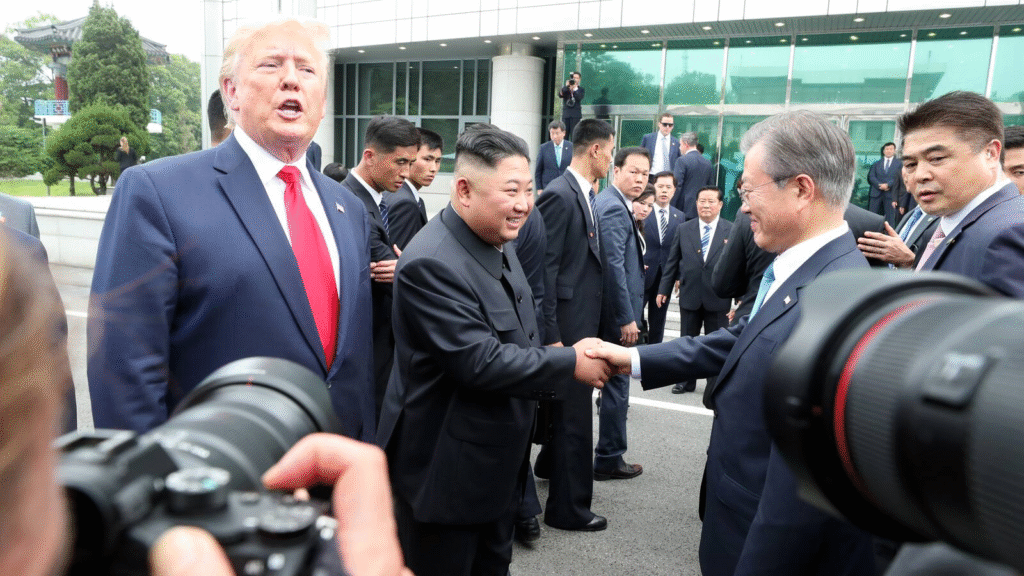
Moreover, Trump’s “America First” foreign policy created a more isolated U.S. position in the world, as his withdrawal from international agreements, such as the Iran nuclear deal and the Paris Climate Agreement, signaled a retreat from multilateral diplomacy. This approach complicated efforts to address North Korea’s nuclear program, as global cooperation was crucial in applying pressure on the regime.
6. Conclusion: A Complex Legacy
The relationship between Donald Trump and North Korea is one of the most complex and unpredictable diplomatic stories of his presidency. From fiery rhetoric and nuclear threats to historic summits and failed negotiations, Trump’s interactions with Kim Jong-un reflected the challenges of dealing with one of the world’s most isolated and unpredictable regimes.
While Trump’s engagement with North Korea was a bold departure from past U.S. policies, it ultimately failed to achieve lasting results on denuclearization. His legacy in this regard is mixed—while he succeeded in reducing immediate tensions and opened new avenues for diplomacy, the ultimate goal of denuclearization remains unresolved.
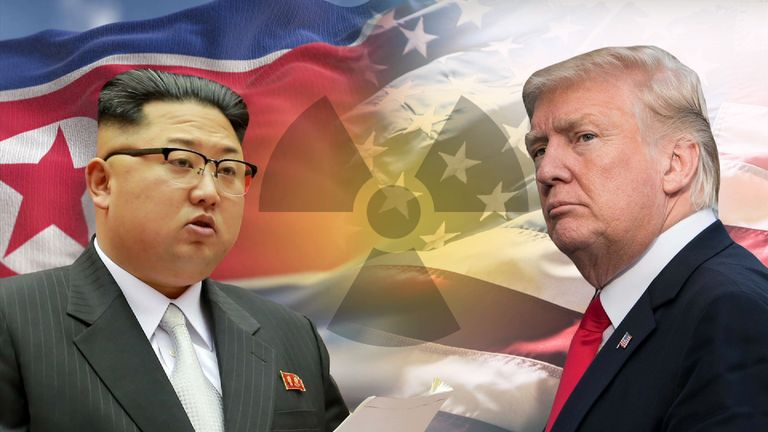
Trump’s relationship with North Korea continues to be a subject of debate, with some viewing it as a diplomatic breakthrough and others as a diplomatic failure. The future of U.S.-North Korea relations, and the global effort to prevent nuclear proliferation, remains uncertain, but Trump’s approach to North Korea will undoubtedly influence how future U.S. administrations engage with the regime.