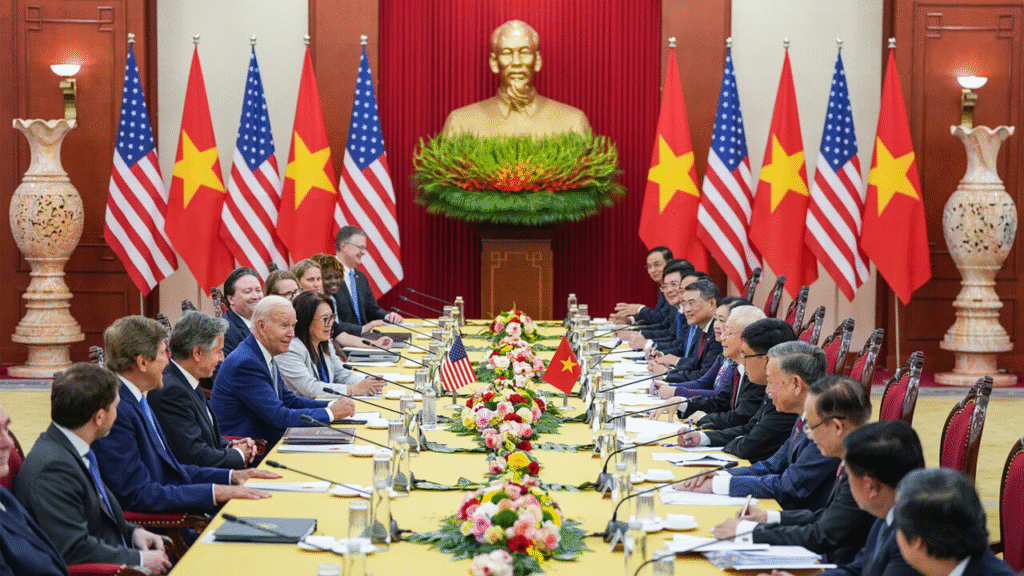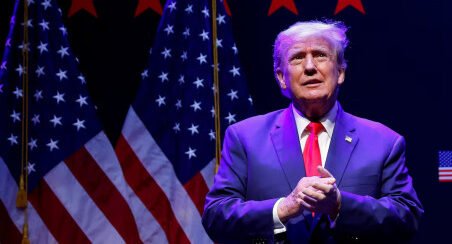




Donald Trump, the 45th President of the United States, had a distinctive and often controversial approach to foreign relations during his presidency. His administration, from January 20, 2017, to January 20, 2021, marked a period of significant shifts in U.S. foreign policy, and the relationship between the United States and Vietnam was no exception. While the U.S. and Vietnam had made great strides in improving relations since normalization in 1995, Trump’s presidency brought new dynamics in their bilateral relationship. This article explores the relationship between Donald Trump and Vietnam, covering key political, economic, and diplomatic developments during his time in office.
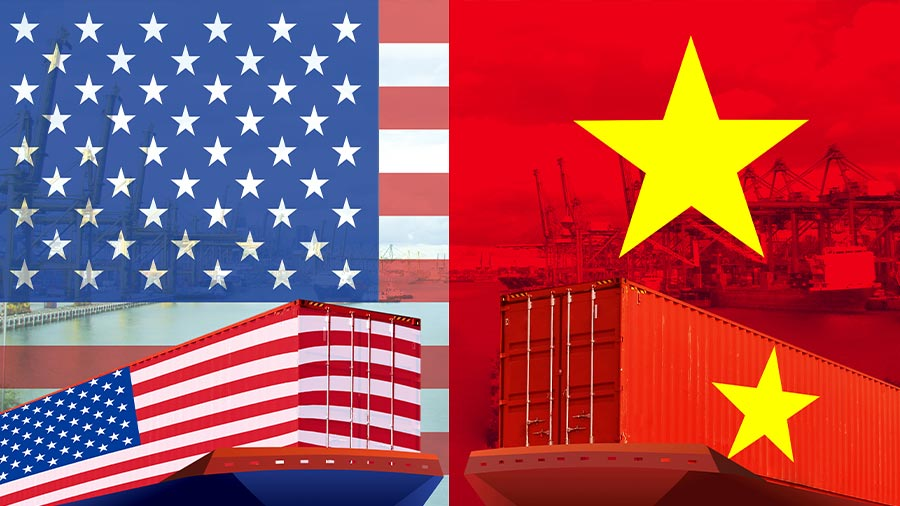
One of the most notable aspects of Donald Trump’s foreign policy was his “America First” strategy, which aimed to prioritize U.S. economic interests and ensure fair trade practices. Under this policy, Trump frequently criticized countries with significant trade surpluses with the U.S., and Vietnam was no exception.
During Trump’s presidency, the U.S. trade deficit with Vietnam became a prominent issue. Trump’s administration expressed concerns about the large trade imbalance between the two countries, as Vietnam exported far more goods to the U.S. than it imported. In response, Trump took steps to address this imbalance, often using strong rhetoric about unfair trade practices.
Despite these tensions, the trade relationship between the U.S. and Vietnam continued to grow during Trump’s time in office. The two countries maintained robust economic ties, particularly in industries such as textiles, electronics, footwear, and agricultural products. While Trump’s administration sought to address the trade deficit, it also pushed forward with agreements that allowed both countries to benefit from mutual economic cooperation.
2. Political and Security Relations
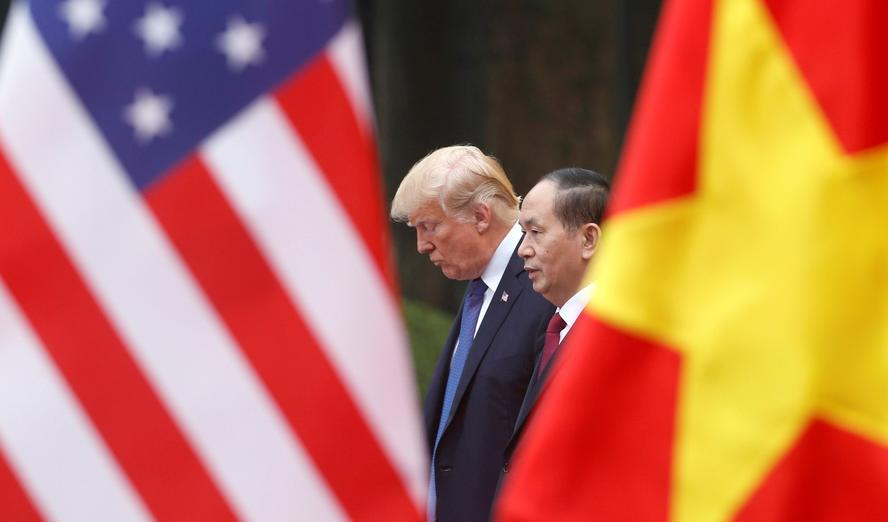
During Trump’s presidency, U.S.-Vietnam relations also deepened in terms of political and security cooperation. Both countries shared concerns over regional security issues, especially in the context of rising tensions in the South China Sea, where China’s territorial claims were in conflict with those of several Southeast Asian countries, including Vietnam.
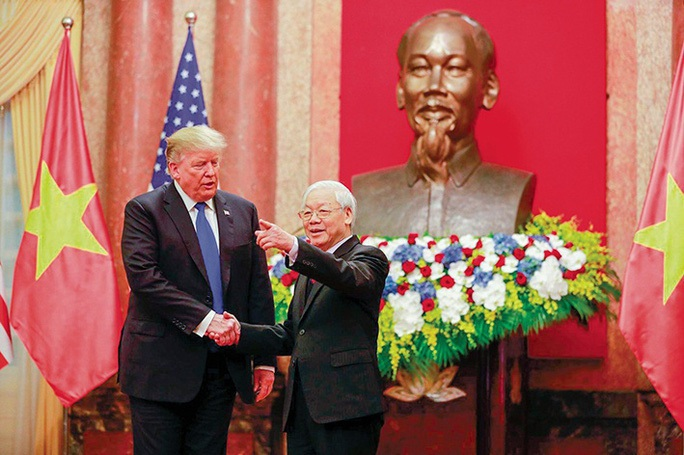
The Trump administration was supportive of Vietnam’s position on the South China Sea and emphasized the importance of upholding international law and the freedom of navigation in the region. Trump’s strong stance on these issues resonated with Vietnam, as the country faced increasing military assertiveness from China. The U.S. and Vietnam held joint naval exercises and increased military cooperation to counter China’s growing influence in the region.
In addition, the U.S. and Vietnam collaborated on counterterrorism efforts, cybersecurity, and combating transnational crime. These areas of cooperation helped further solidify the bilateral security relationship, with Vietnam increasingly seen as a strategic partner in the region for the U.S.
3. Diplomatic Relations and Strategic Partnership
Trump’s administration maintained a diplomatic approach that supported Vietnam’s rise as an important partner in Southeast Asia. While there were challenges in the broader geopolitical landscape, the U.S. continued to view Vietnam as a key ally in regional stability and as a potential partner in various international matters.
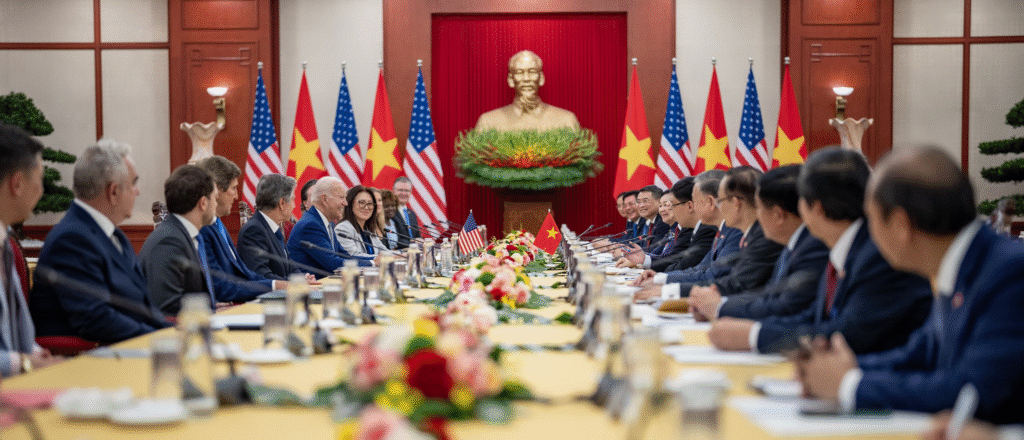
A notable moment in Trump’s relationship with Vietnam occurred in 2017, when he visited Hanoi for the APEC (Asia-Pacific Economic Cooperation) summit. This visit was a significant step in strengthening bilateral ties and reaffirming the U.S. commitment to supporting Vietnam’s role in the Asia-Pacific region. While the visit was primarily focused on economic issues, it highlighted the growing political rapport between the two countries.
Trump also continued to encourage Vietnam’s involvement in global issues, including climate change and global trade. Despite his decision to withdraw the U.S. from the Paris Climate Agreement in 2017, Vietnam remained committed to addressing climate change and continued its collaboration with other nations on environmental issues.
4. Cultural and Humanitarian Cooperation
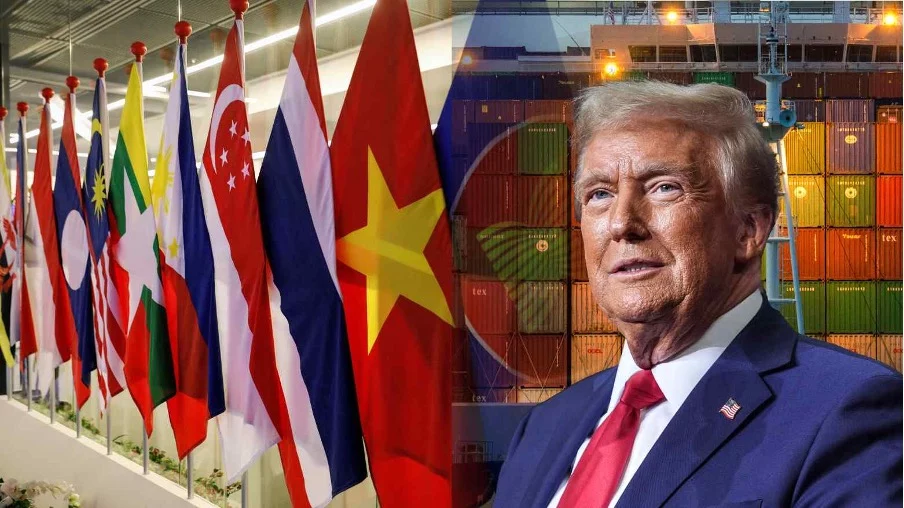
Beyond trade and security, the relationship between Donald Trump and Vietnam also had cultural and humanitarian dimensions. The Trump administration maintained various cultural exchange programs, supporting initiatives to strengthen people-to-people ties between the two nations.
Programs focused on education, cultural exchanges, and youth engagement helped foster mutual understanding and respect between Americans and Vietnamese. These efforts continued throughout Trump’s presidency, with an emphasis on shared values such as education, innovation, and community-building.
The U.S. also continued its support for humanitarian initiatives in Vietnam, particularly in the areas of healthcare, disaster relief, and poverty alleviation. While Trump’s administration generally leaned toward a more transactional approach to foreign relations, Vietnam remained an important partner in global humanitarian efforts.
5. The Trump Administration and Regional Geopolitics
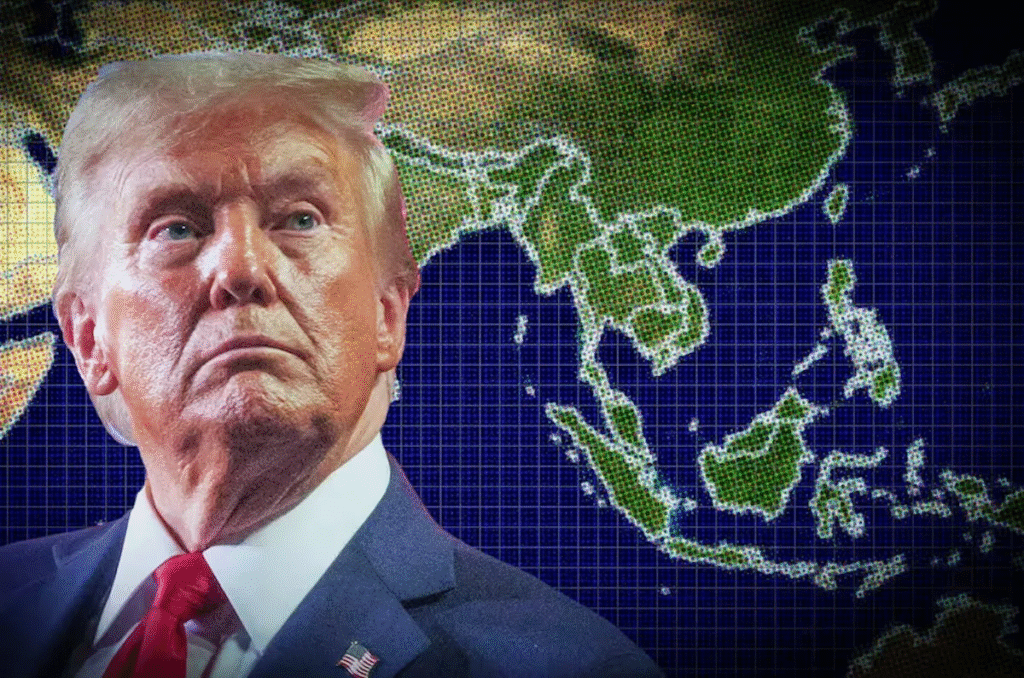
Trump’s foreign policy in Southeast Asia was marked by his skepticism of traditional multilateral agreements, which sometimes placed him at odds with Vietnam’s regional diplomatic partners. However, Vietnam’s growing role in regional organizations such as the ASEAN (Association of Southeast Asian Nations) and its increasingly prominent position in global trade made it an essential partner for the U.S.
Trump’s “America First” rhetoric often emphasized a reduction in U.S. involvement in multilateral agreements, yet the U.S. continued to engage diplomatically with Vietnam through bilateral talks and regional forums. The U.S. also supported Vietnam’s efforts to strengthen its position in organizations like ASEAN and the United Nations.
Conclusion: A Complex and Evolving Relationship
Under Donald Trump’s administration, the U.S.-Vietnam relationship evolved in several important ways. While there were points of tension, especially regarding trade imbalances, Trump’s presidency also saw continued cooperation in key areas such as security, trade, and diplomacy. The Trump administration supported Vietnam’s role in regional stability and encouraged further engagement between the two nations on global challenges.
Despite the challenges brought about by Trump’s “America First” approach, Vietnam’s strategic importance in Southeast Asia ensured that the relationship between the two countries remained strong. Whether in terms of economic cooperation, regional security, or cultural exchange, the U.S.-Vietnam relationship under Trump continued to grow, setting the stage for future collaboration in the years to come.