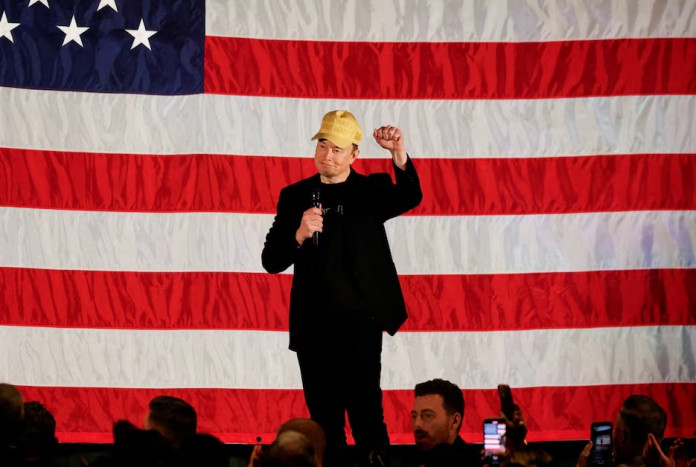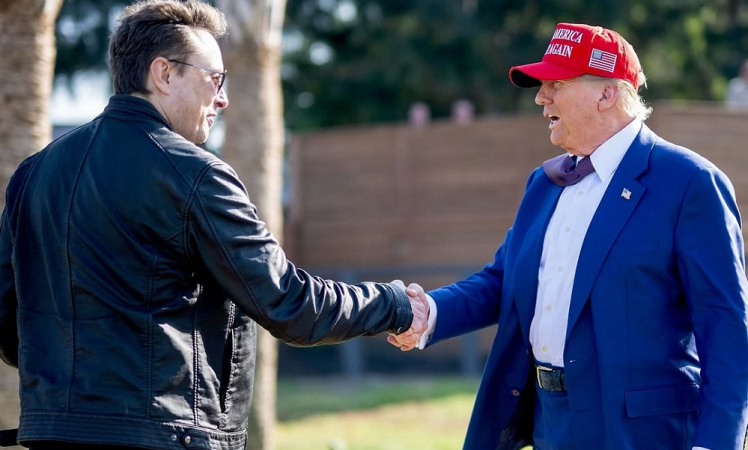



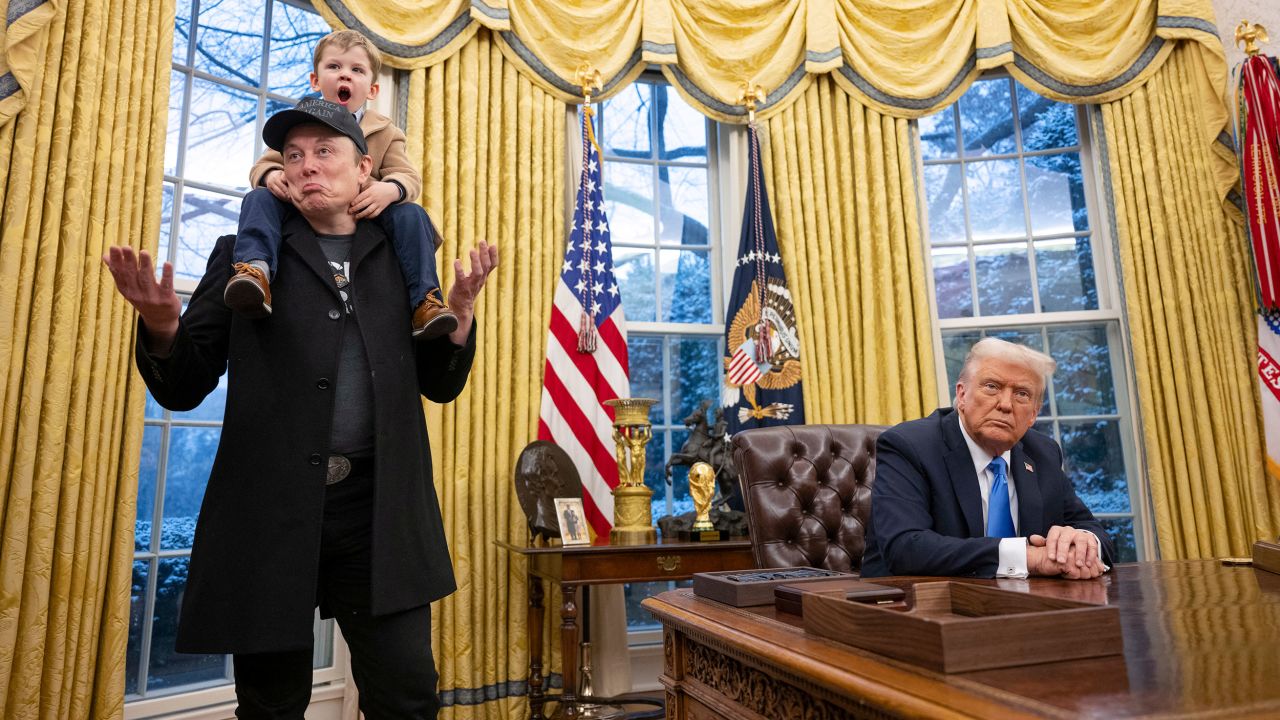
The relationship between Donald Trump, the 45th President of the United States, and Elon Musk, the CEO of Tesla and SpaceX, is one that has sparked significant attention throughout Trump’s presidency and beyond. Both are larger-than-life figures known for their unorthodox leadership styles, bold public personas, and ability to influence the industries they represent. However, their relationship is far from simple, characterized by moments of collaboration, public admiration, and occasional tension. This article explores the dynamics of the Trump-Musk relationship, examining how their interactions have influenced both their personal endeavors and broader political and business landscapes.
1. Initial Support and Admiration
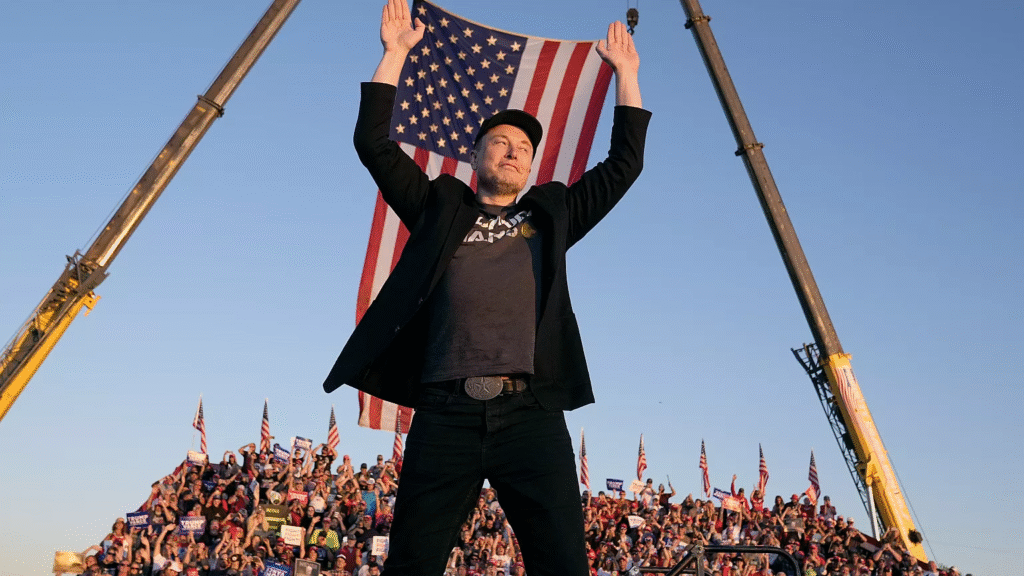
In the early years of Trump’s presidency, Elon Musk was one of the few high-profile tech CEOs who initially expressed public support for Trump. Musk, known for his role in revolutionizing the electric car industry with Tesla and advancing space exploration with SpaceX, joined Trump’s advisory councils, including the President’s Strategic and Policy Forum. Musk was one of several business leaders who sought to advise Trump on economic and innovation-related policies.
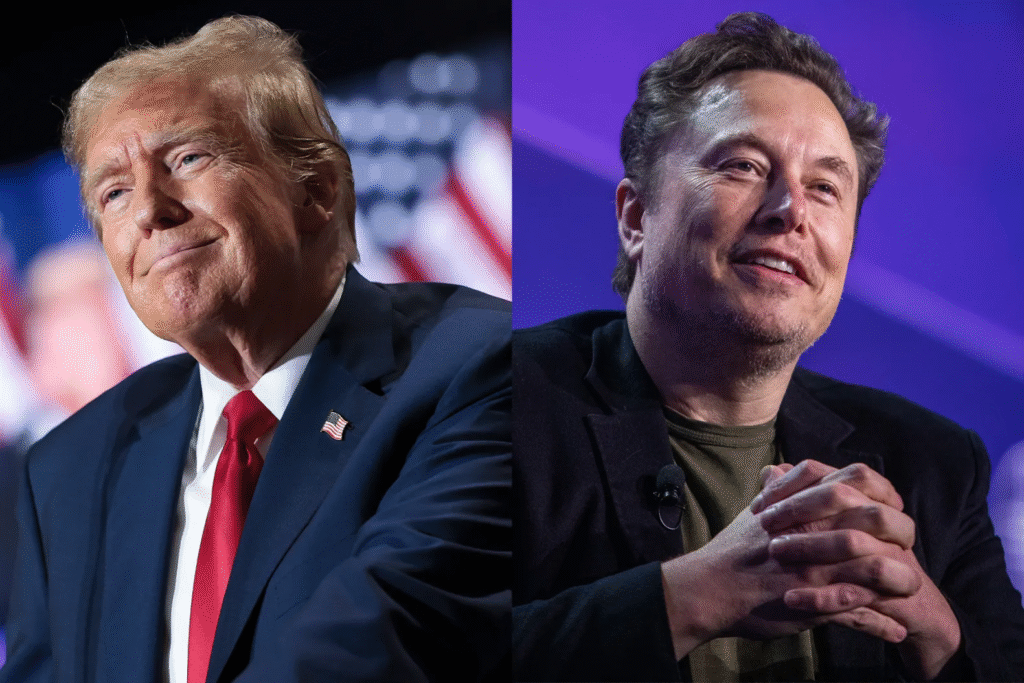
Musk’s decision to work with the Trump administration was based on his belief that collaboration between business leaders and the government could help address issues like infrastructure, energy policy, and innovation. Musk also expressed optimism that Trump’s pro-business stance could help drive U.S. economic growth and technological advancement.
At the time, Musk was a vocal advocate for the need for clean energy policies, electric vehicles, and space exploration, areas where he saw potential alignment with Trump’s economic agenda, particularly in terms of reducing regulatory burdens for businesses.
2. The Climate Agreement Controversy: A Turning Point
However, one of the most significant turning points in the relationship between Trump and Musk came in 2017, when President Trump announced that the United States would withdraw from the Paris Climate Agreement. Musk was a strong advocate for action on climate change and had long been committed to advancing sustainable energy technologies.
Musk’s reaction to the decision was swift and clear: he resigned from Trump’s advisory councils, citing the withdrawal from the Paris Agreement as a “disappointing” decision. In a statement, Musk explained that he could no longer support an administration that was not aligned with his values regarding climate change and the environment. This move highlighted the growing divide between Musk’s environmental advocacy and Trump’s administration, which had rolled back numerous environmental regulations.
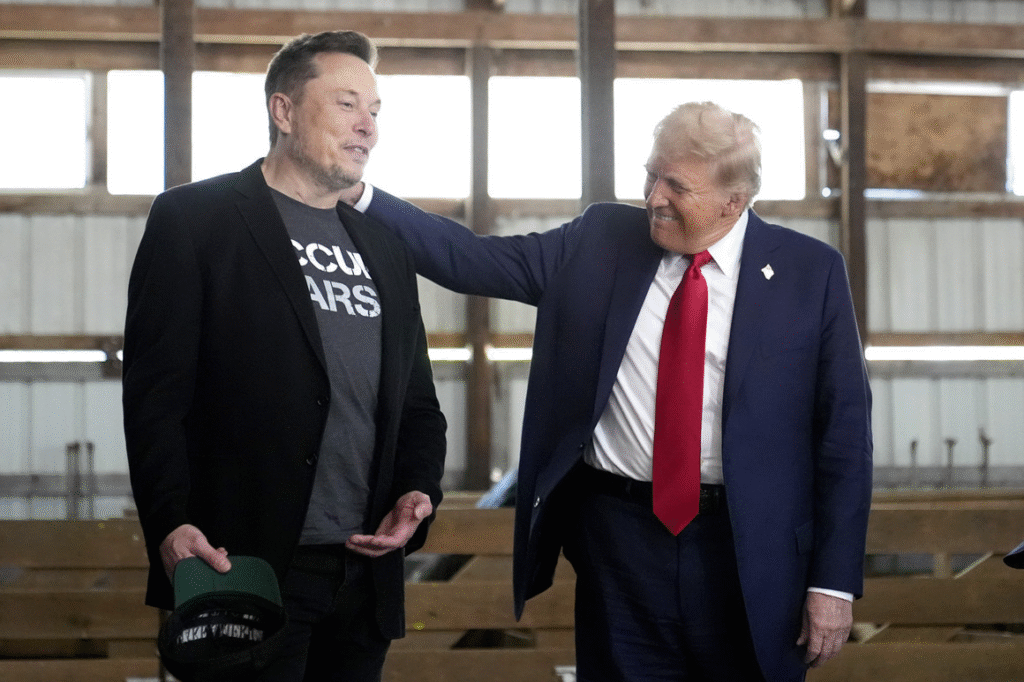
Despite this public break, Musk’s decision to leave the advisory councils did not lead to a full severing of ties. He continued to maintain some degree of dialogue with the administration, especially on issues like space exploration and economic policy, which were areas where their interests still overlapped.
3. SpaceX and NASA: Cooperation Amidst Tensions
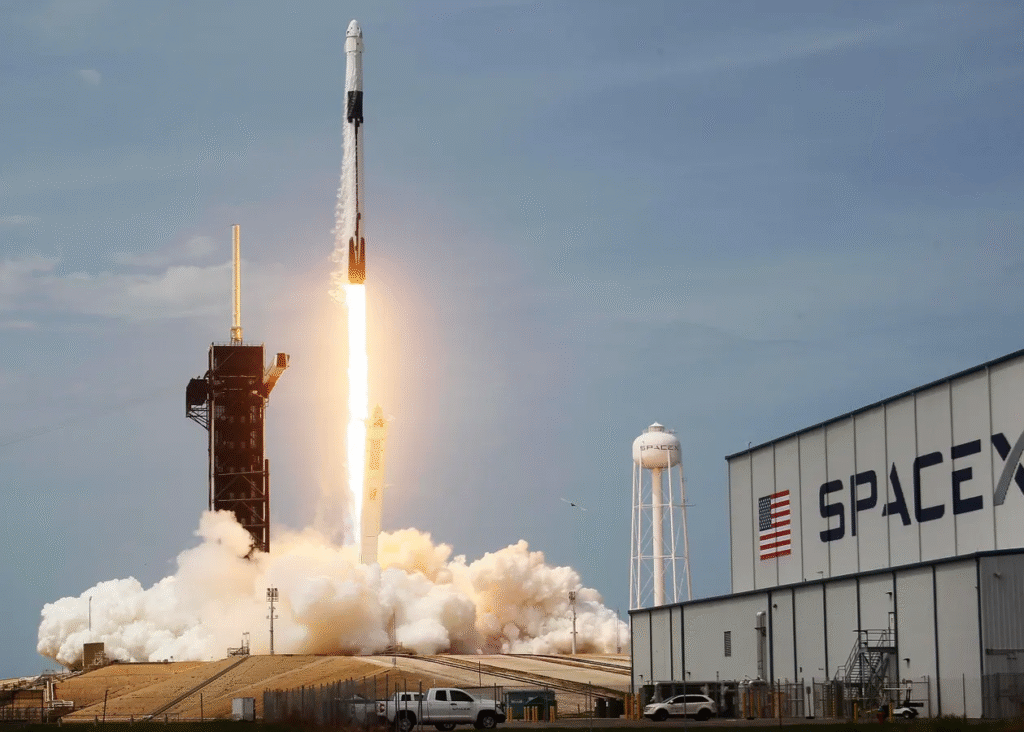
Despite their differences over climate change, Trump and Musk’s relationship remained cordial in areas where their goals aligned, particularly in the field of space exploration. Musk’s company, SpaceX, became one of the key players in U.S. space exploration, and its achievements were often celebrated by the Trump administration. Under Trump, SpaceX was awarded significant government contracts, including the development of spacecraft for NASA’s Artemis program, which aims to return astronauts to the moon by 2024.
Trump’s administration was generally supportive of privatizing space exploration, with Musk and SpaceX benefiting from NASA contracts that enabled private companies to play a larger role in the U.S. space program. Trump was a vocal advocate for increasing funding for NASA and expanding America’s capabilities in space, and he often highlighted the role that private companies like SpaceX could play in achieving these goals.
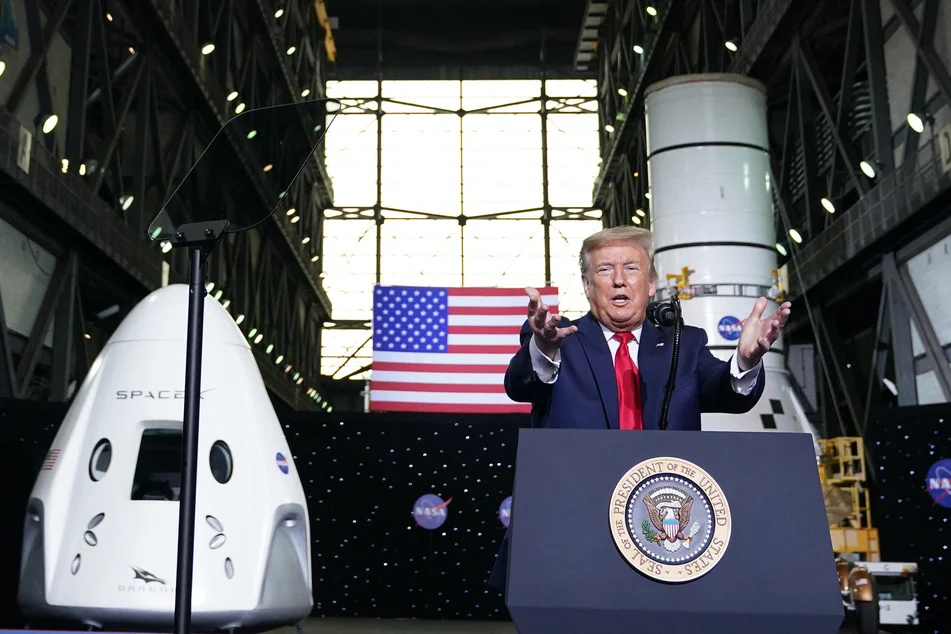
Trump’s Space Force initiative, which aimed to establish a new branch of the U.S. military dedicated to space operations, also indirectly benefited Musk, as SpaceX’s expertise in space technology and rocket launches made it an important player in the nation’s space defense strategy.
4. Tesla and the Automotive Industry: A Complex Relationship
Trump’s relationship with Musk also extended to the automotive industry, where Tesla became a dominant force in the electric vehicle market. Tesla’s success in developing electric cars that were both high-performance and environmentally friendly made it a key player in the automotive industry, an industry that Trump was particularly interested in bolstering during his presidency.
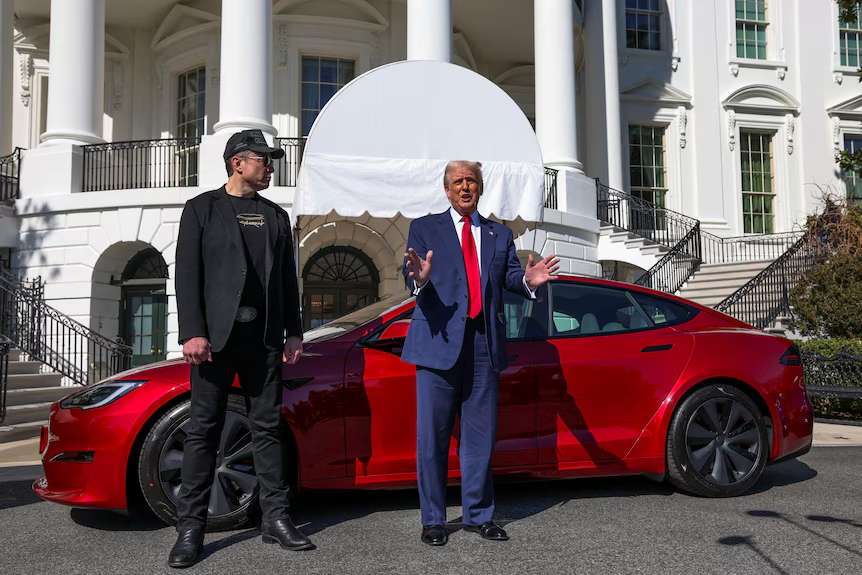
While Trump expressed support for the U.S. manufacturing sector and frequently advocated for policies that encouraged American-made products, he was less enthusiastic about the environmental and regulatory aspects of the electric vehicle market. He often championed traditional automakers and fossil fuel industries, which led to tensions with Musk’s clean energy-focused agenda.
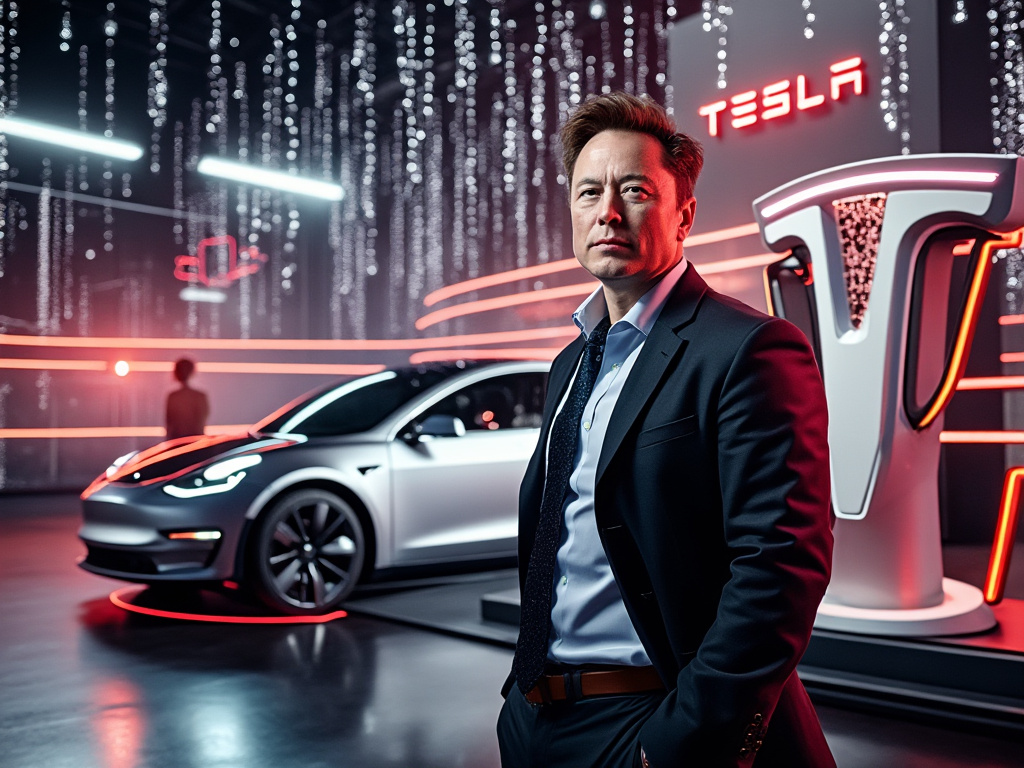
Despite these differences, Tesla benefited from the Trump administration’s push to reduce regulatory barriers for manufacturers. The Trump administration rolled back various Obama-era environmental regulations, which Musk saw as beneficial for businesses. However, Trump’s general lack of emphasis on green energy initiatives and the rollback of policies meant to promote electric vehicles and clean energy led to ongoing friction between the two.
5. Public Remarks and Criticism: Occasional Tension
Throughout Trump’s presidency, both he and Musk occasionally made public remarks that revealed the underlying tension in their relationship. While Trump sometimes praised Musk for his business success and innovation, he also made critical comments about Musk’s companies. For example, Trump criticized Musk’s reliance on government subsidies for Tesla’s electric vehicle production, particularly as Tesla continued to receive significant tax credits and grants from the federal government.
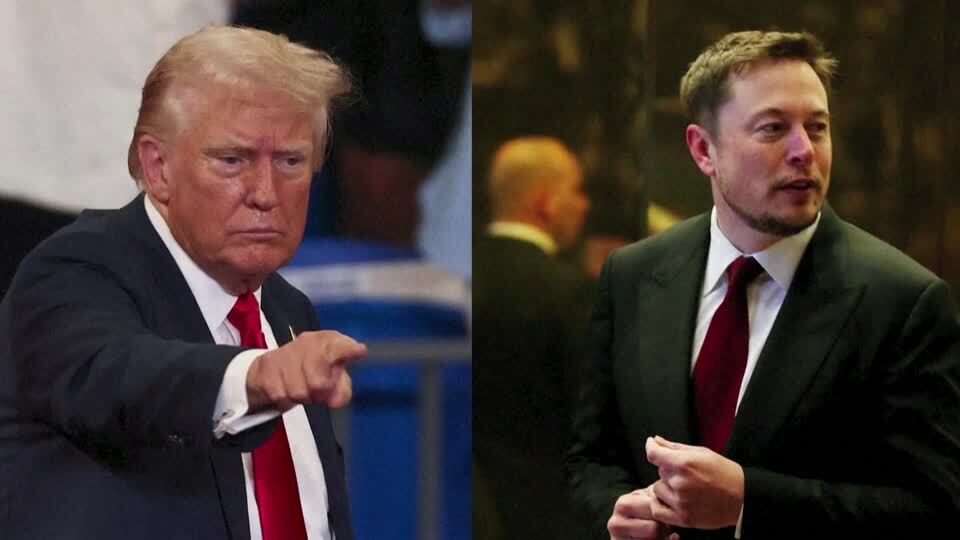
On the other hand, Musk was critical of Trump’s leadership on several occasions, especially when it came to issues like the pandemic, environmental policies, and social justice issues. Musk’s outspoken nature and his willingness to publicly criticize Trump when their views diverged made the relationship one of complex dynamics, with moments of collaboration and praise often overshadowed by significant policy disagreements.
6. Post-Presidency: Continued Influence and Interaction
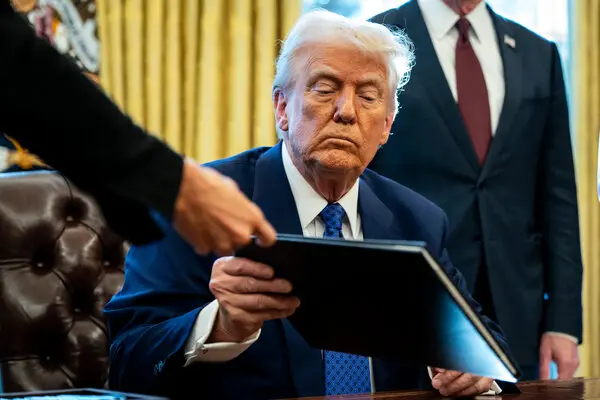
After Trump left office in January 2021, the relationship between the two men continued to evolve. Musk, who had largely kept a distance from direct political engagement in the years leading up to Trump’s presidency, became more vocal in his support for certain political causes, particularly those aligned with his business interests.
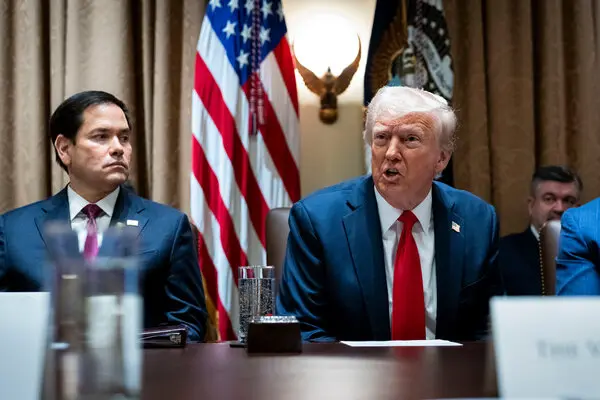
Musk’s influence on the U.S. economy and space policy continues to grow, and his ventures in electric vehicles, space exploration, and other technologies remain crucial to the country’s future. While Trump’s legacy is still a topic of debate, Musk’s growing prominence as an entrepreneur and innovator ensures that he will continue to be an important figure in shaping the direction of the U.S. economy, especially as it relates to the future of technology, transportation, and energy.
Conclusion: A Relationship of Collaboration and Disagreement
The relationship between Donald Trump and Elon Musk has been one of mutual respect, occasional tension, and political differences. While Trump’s administration helped bolster Musk’s business ventures, particularly with SpaceX and its collaborations with NASA, the two men had differing views on issues like climate change and environmental policy. Musk’s decision to break with Trump over the Paris Climate Agreement highlighted the areas where their values diverged, but their shared interest in advancing U.S. space exploration and technology kept their relationship intact.
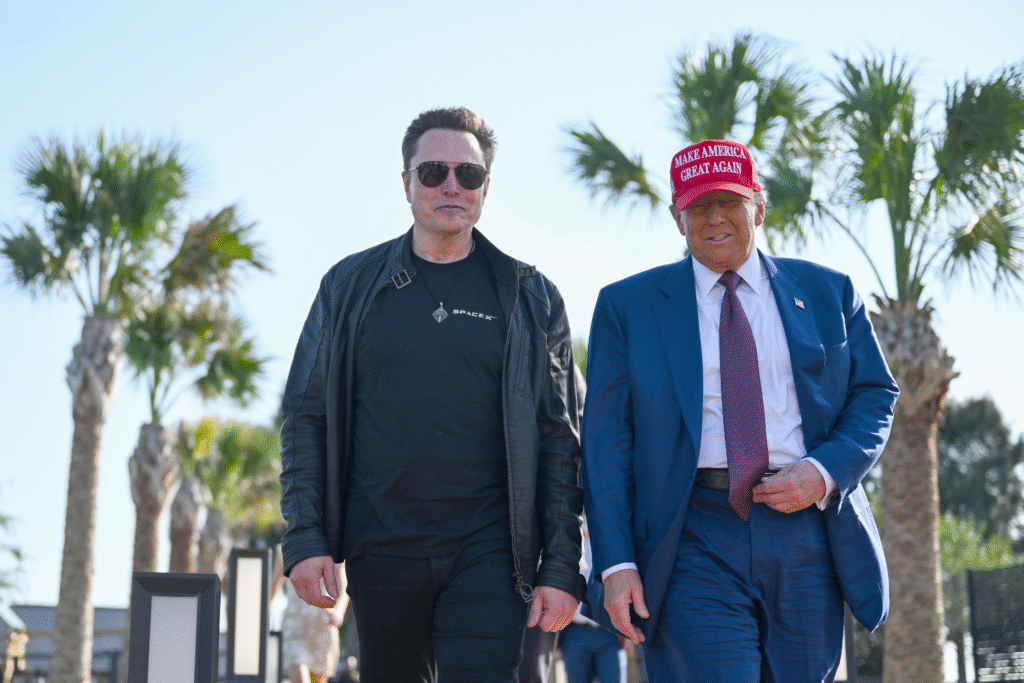
Ultimately, the Trump-Musk relationship can be characterized as a complex blend of cooperation and disagreement, reflecting the broader political and business dynamics of the time. Both men have had a profound impact on U.S. policy and global markets, and their relationship will likely continue to influence the future of technology, business, and politics in the years to come.