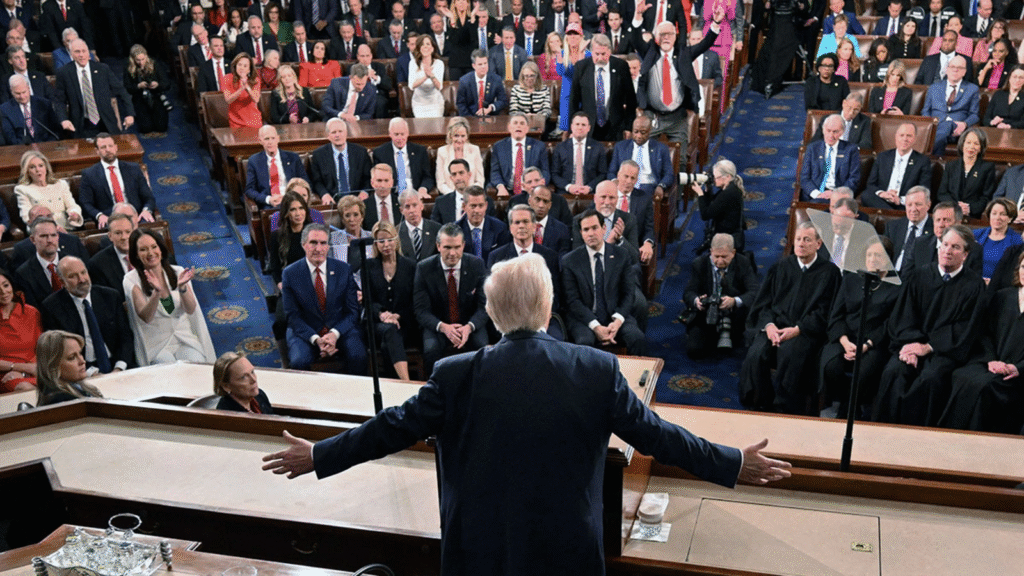




Donald Trump, the 45th President of the United States, was undoubtedly one of the most controversial figures in modern political history. His presidency, from January 2017 to January 2021, was marked by bold and unconventional policies, leading to fierce opposition both from within the U.S. and from foreign powers. While Trump had strong support from many factions, there were also powerful forces—both domestic and international—that sought to weaken, challenge, or even bring down his administration. This article delves into the countries, political forces, and organizations that opposed Trump during his time in office, examining the efforts to undermine his leadership.
1. Domestic Political Opposition: The Democratic Party and Internal Critics
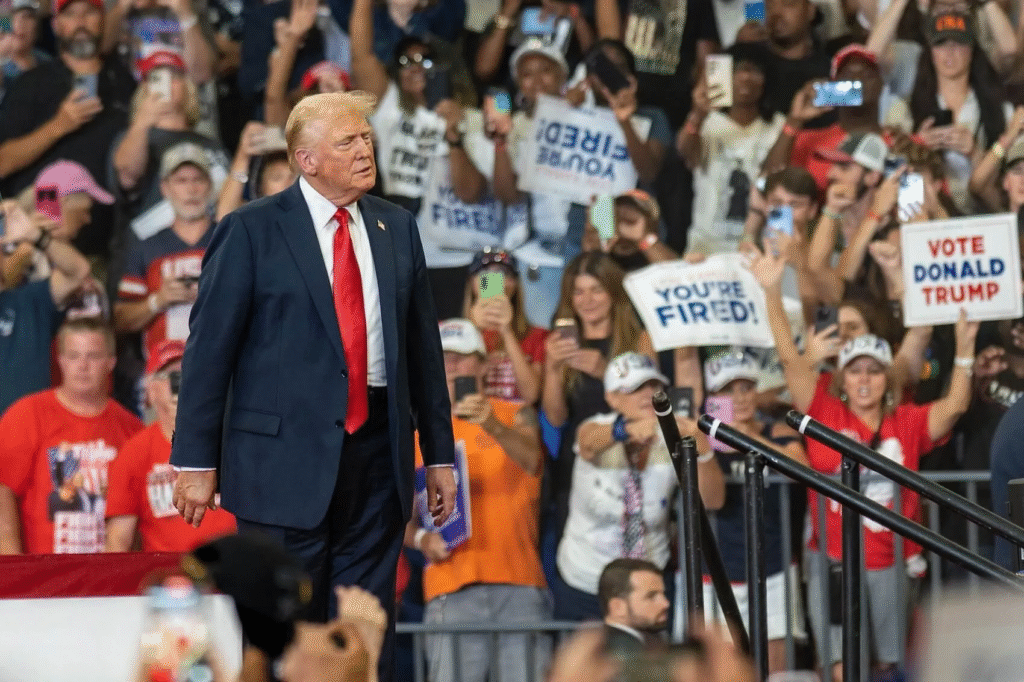
One of the most powerful forces working to “bring down” Donald Trump was, unsurprisingly, his political opposition within the United States, especially from the Democratic Party. From the moment Trump assumed office, he became the target of intense opposition from Democratic lawmakers, who viewed him as a threat to American values and democracy itself. This opposition was evident in the numerous political battles fought over his policies, decisions, and actions.
The most notable example of this opposition came in 2019 with the impeachment of Donald Trump. The House of Representatives, controlled by the Democrats, launched an impeachment inquiry into Trump’s dealings with Ukraine, accusing him of abuse of power and obstruction of Congress. Although Trump was acquitted by the Senate, the impeachment process revealed the determination of the Democratic Party to challenge and remove him from office.
The second impeachment, following the storming of the U.S. Capitol by Trump supporters in January 2021, marked the first time in U.S. history that a president was impeached twice. While Trump was once again acquitted by the Senate, these impeachment proceedings were a clear indication of the political opposition within the U.S. that sought to undermine his presidency.
Additionally, within the Republican Party, there were also key figures who criticized Trump’s leadership. Figures such as Mitt Romney, Liz Cheney, and others were vocal critics of his actions, particularly when it came to his handling of the Capitol insurrection. These internal Republican critics expressed concerns that Trump’s leadership style was damaging the party’s reputation and undermining its values, which led to challenges from within the party itself.
2. European Nations and the International Order
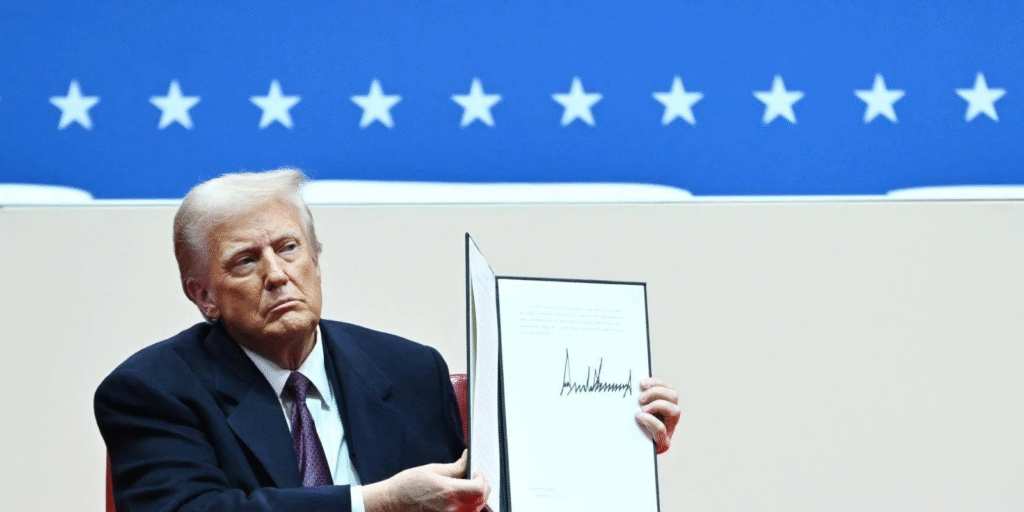
Trump’s presidency was met with strong disapproval from many European nations, particularly those in the European Union (EU). His “America First” approach, which prioritized U.S. national interests over global cooperation, was deeply at odds with the EU’s commitment to multilateralism and international cooperation.
One of the most significant points of contention between Trump and European countries was his decision to withdraw the United States from the Paris Climate Agreement in 2017. European leaders, especially from countries like France, Germany, and the UK, expressed strong dismay over this decision, viewing it as a step backward in global efforts to combat climate change. These European leaders argued that the U.S. under Trump was no longer a reliable partner in the fight against environmental degradation and that Trump’s stance was damaging the global effort to address the climate crisis.
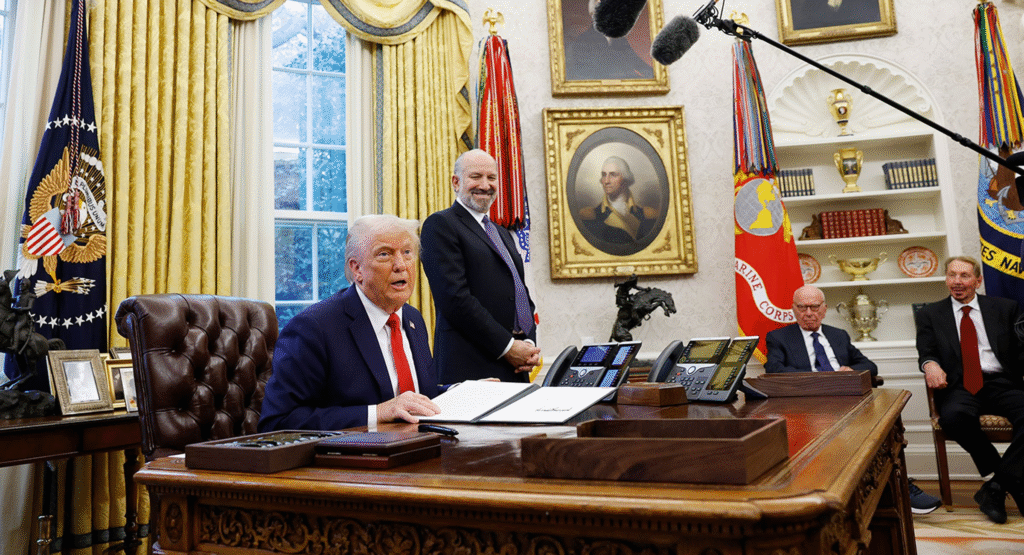
Trump’s disdain for multilateral organizations and alliances, such as NATO, also contributed to the opposition from Europe. Trump repeatedly criticized NATO allies for not spending enough on defense, accusing them of freeloading off the U.S. military presence in Europe. His rhetoric and actions strained relations between the U.S. and its European allies, particularly countries like Germany and France, who were worried about the erosion of NATO’s unity and the weakening of the Western alliance.
3. China: Trade War and Strategic Rivalry
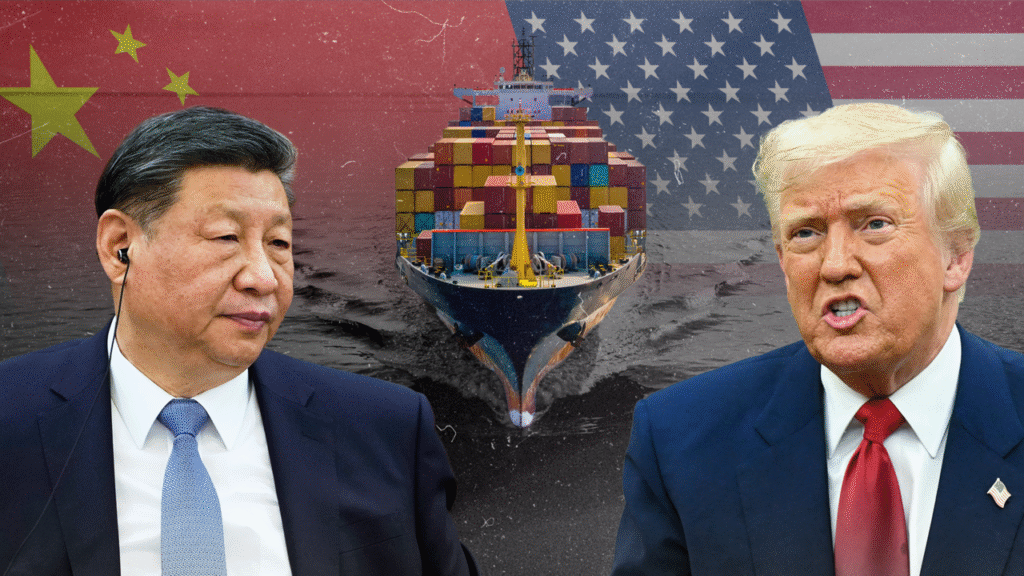
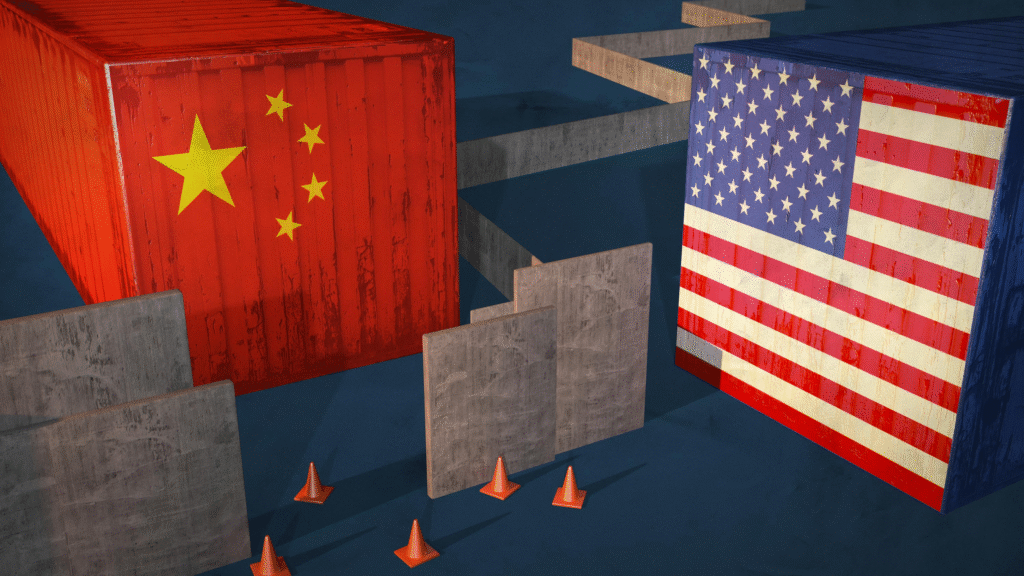
China emerged as one of the principal international adversaries of Donald Trump during his presidency. From the outset, Trump viewed China not only as an economic competitor but also as a strategic rival to the United States on the world stage. His administration launched a trade war with China in 2018, imposing tariffs on hundreds of billions of dollars worth of Chinese goods in an attempt to address the massive trade deficit and what he claimed were unfair trade practices, including intellectual property theft and forced technology transfers.
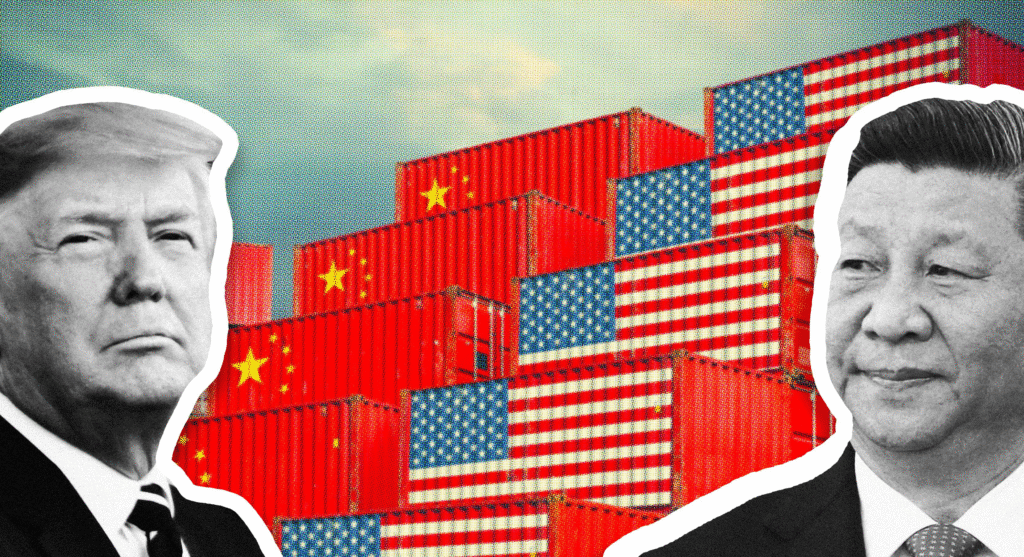
The trade war escalated over the years, with both sides imposing retaliatory tariffs on each other’s products. The Chinese government strongly opposed Trump’s protectionist policies and sought to undermine his approach by finding alternative markets and reducing its reliance on U.S. exports. Despite reaching a “Phase One” trade deal in 2020, tensions remained high between the two countries over issues like technology, cybersecurity, and geopolitical influence, particularly in the South China Sea.
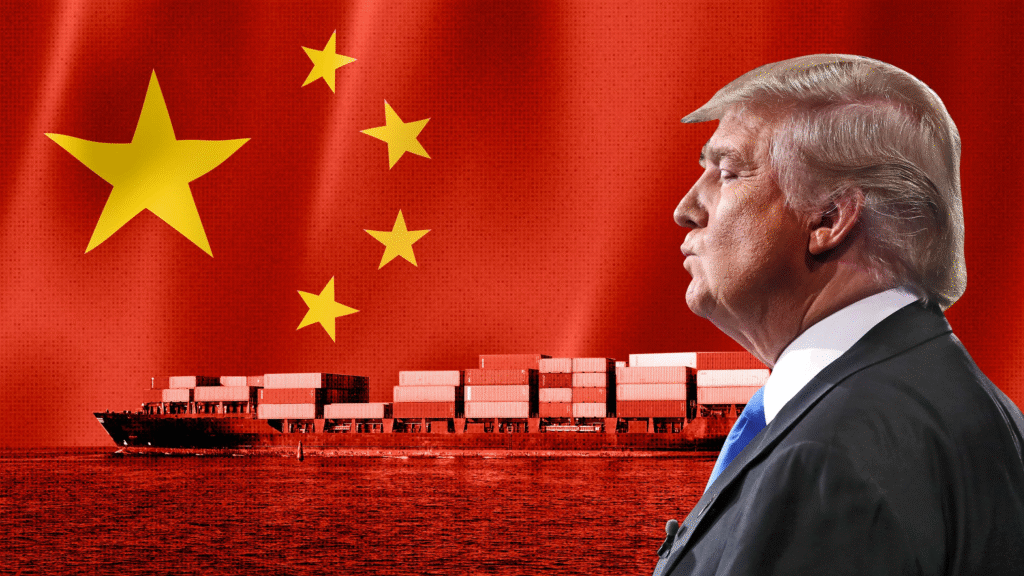
Trump’s strong stance against China extended beyond trade. His administration’s policies aimed at countering China’s growing influence in international organizations and its efforts to expand its military presence in the Asia-Pacific region. Trump’s approach to China contributed to an increasingly hostile relationship, and China’s response was to challenge U.S. policies through diplomatic and economic means.
4. International Organizations: Opposition from Multilateral Institutions
Several international organizations also opposed or sought to counter Trump’s policies, particularly his approach to climate change, trade, and security. Trump’s decision to withdraw the U.S. from key international agreements and institutions, including the Paris Climate Agreement and the Iran nuclear deal (JCPOA), prompted strong backlash from organizations like the United Nations and the World Health Organization (WHO).
Under Trump, the U.S. became more isolated in international negotiations, with many global leaders criticizing his disregard for multilateral agreements and global cooperation. His decision to cut U.S. funding for the WHO, particularly during the COVID-19 pandemic, was seen as a rejection of global leadership in addressing the crisis. Many nations and organizations expressed frustration with Trump’s “America First” philosophy, arguing that it undermined global collaboration and weakened efforts to address pressing global issues like climate change and public health.
Trump’s approach to international relations often left the U.S. at odds with its allies and other global powers, leading to a decline in American influence in key multilateral institutions. This opposition from international organizations and allies significantly contributed to the challenges Trump faced on the global stage.
5. Domestic Movements Against Trump
In addition to political opposition within the government, Trump faced significant resistance from various domestic movements and grassroots organizations. Protests and demonstrations against Trump’s policies, particularly on issues like immigration, human rights, and his handling of the COVID-19 pandemic, became a regular feature of his presidency.
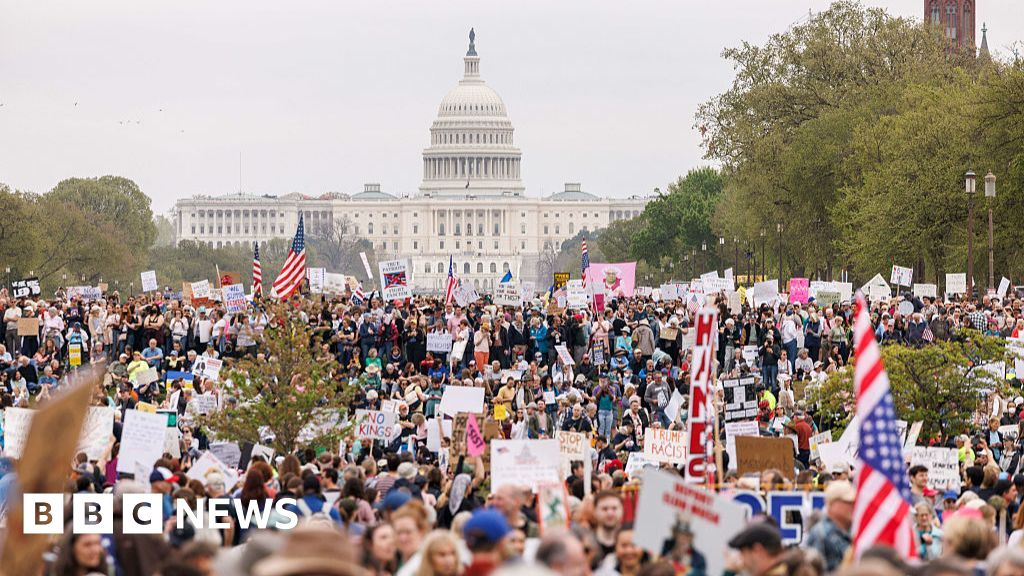
Movements such as “Black Lives Matter” saw an outpouring of public resistance to Trump’s stance on racial issues, particularly following incidents of police violence against African Americans. The protests against Trump’s administration, which reached their peak in 2020, were not only a reaction to specific policies but also a broader rejection of his divisive rhetoric and approach to governing.
These protests, alongside various activist groups, sought to challenge and diminish Trump’s political power, emphasizing his policies’ negative impact on marginalized communities and the general public. The nationwide demonstrations were a clear sign that Trump faced significant opposition from the American populace, especially those advocating for social justice, climate action, and human rights.
Conclusion: A Presidency Marked by Internal and External Opposition
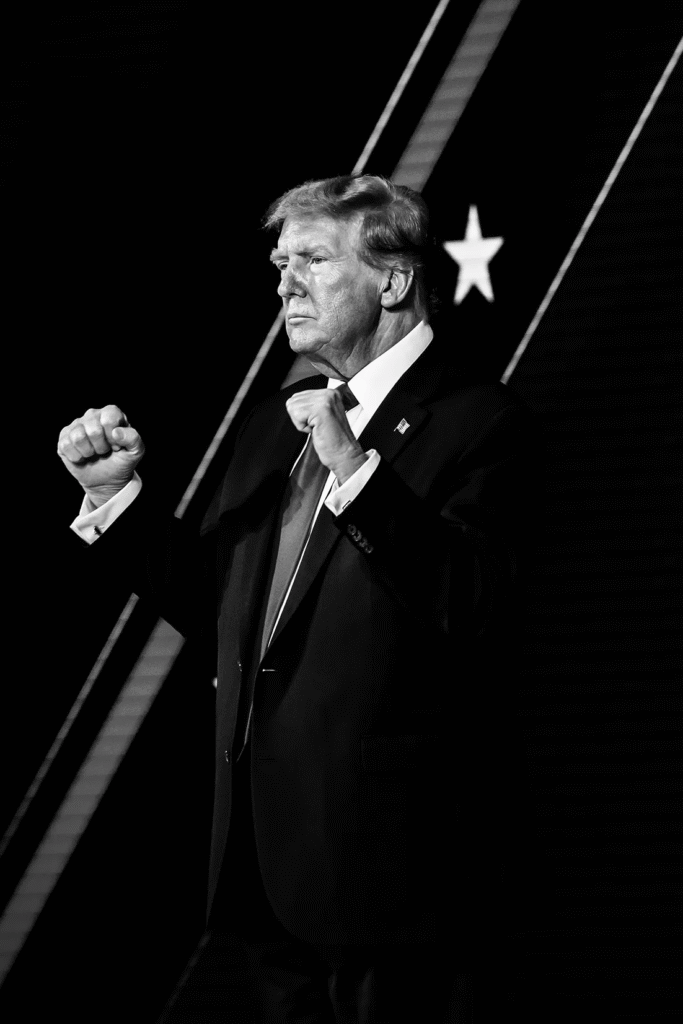
Donald Trump’s presidency was characterized by significant opposition both at home and abroad. From fierce political battles with the Democratic Party and internal Republican critics to international condemnation from European allies and China, Trump faced challenges on multiple fronts. His controversial policies, unconventional leadership style, and divisive rhetoric created a volatile political landscape, both in the U.S. and globally.
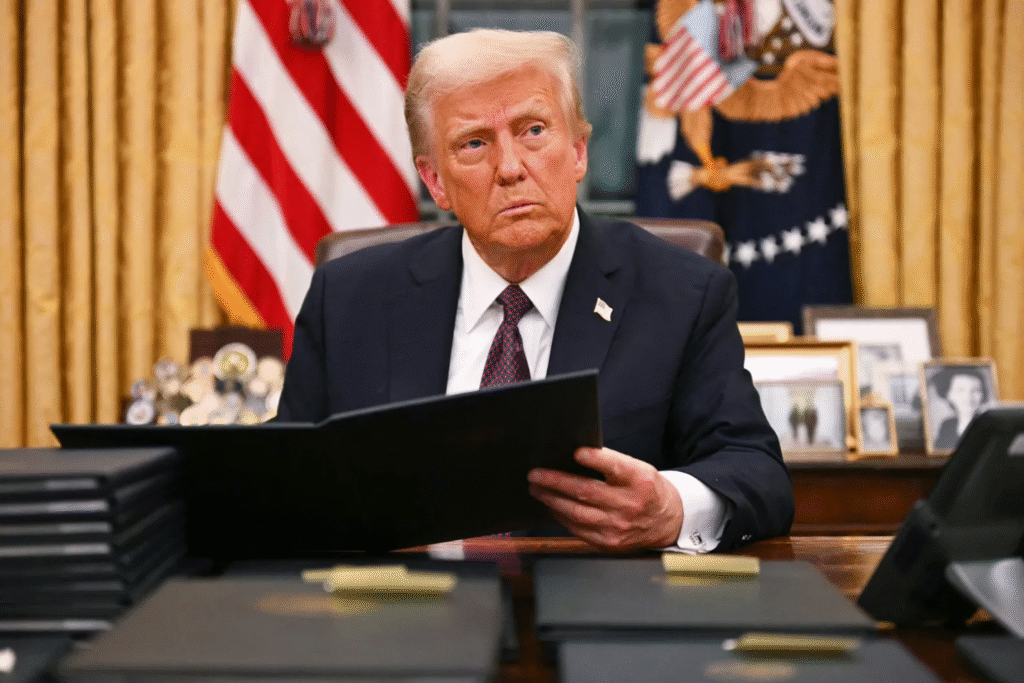
While Trump was able to maintain strong support from his base, the opposition he faced throughout his time in office showcased the polarized nature of his presidency. The efforts to bring him down—whether through impeachment, trade wars, or protests—illustrate the significant resistance to his leadership. As Trump’s influence continues to resonate in U.S. politics, the legacy of these forces that sought to weaken or remove him remains an essential part of his political story.